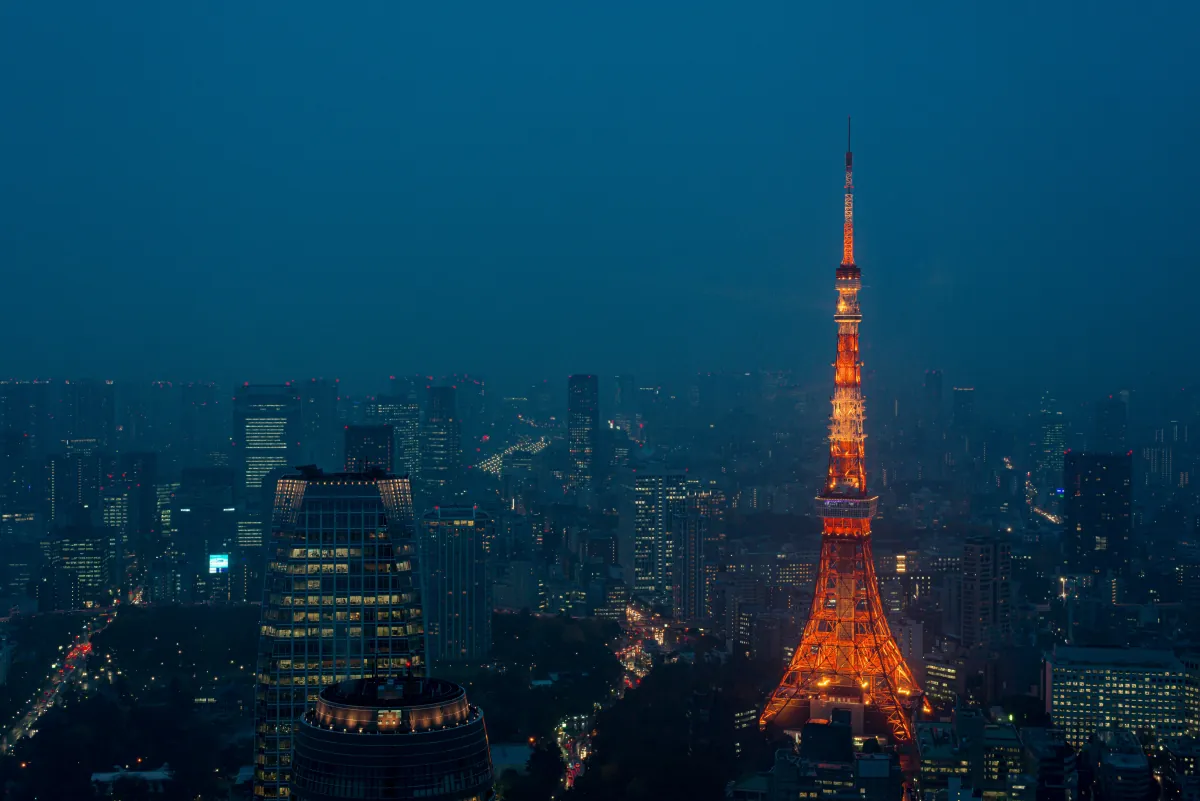
The experiences most travelers wish they knew before visiting. From hidden food alleys and ancient temples to futuristic digital art and secret skyline views, here is the ultimate Tokyo checklist.

JPN Path
Editorial TeamPlanning Your First Tokyo Trip?
Tokyo can feel overwhelming.
One neighborhood is packed with neon skyscrapers, another has centuries-old temples, and just a few train stops away you'll find peaceful gardens that feel worlds apart.
Instead of trying to see everything, start with the experiences that make Tokyo unforgettable.
Whether you're visiting for 3 days or a full week, these 17 experiences deserve a place on your itinerary.
📌 Save this guide for later
First-time visitors
Couples
Families
Solo travelers
Food lovers
📍 Map — All Bucket List Locations
Find exactly where every attraction, historic temple, nature walk, and local eatery is located to optimize your walking routes.
Modern Tokyo
teamLab Planets, Toyosu — Walk Through Another World
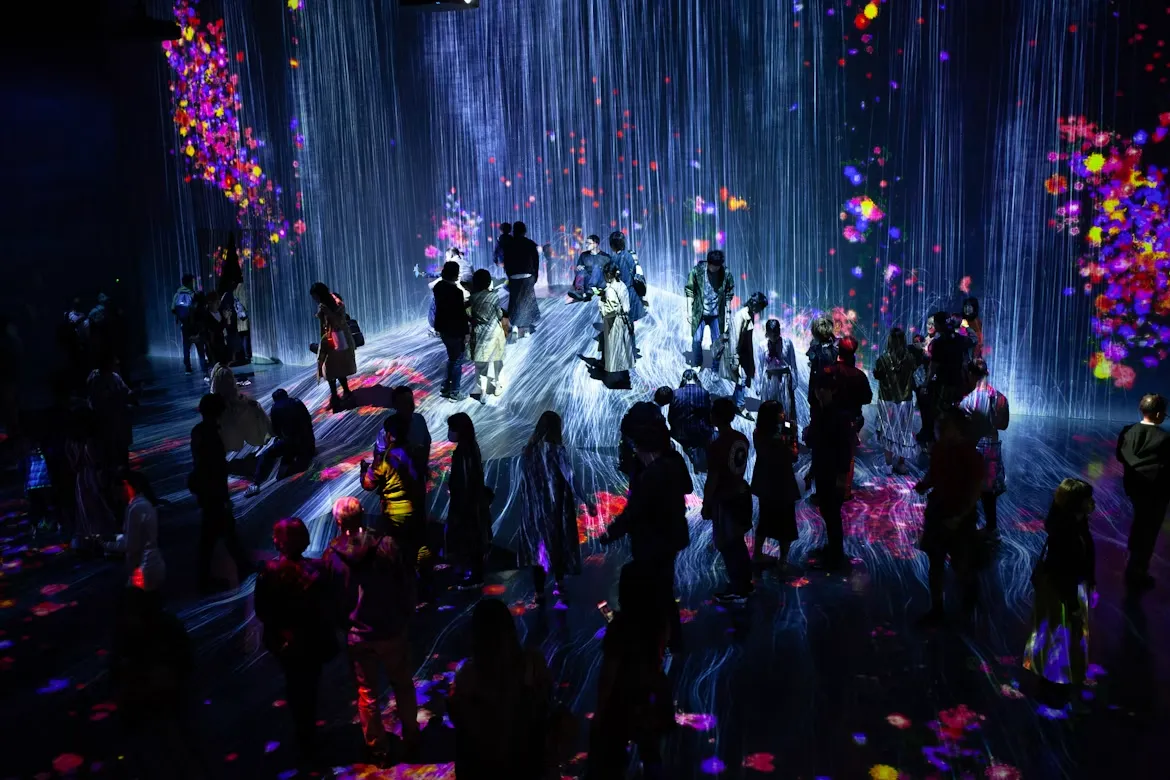
Imagine walking barefoot through warm water while glowing koi fish swim around your feet. Flowers bloom across entire rooms as you move, mirrors create endless reflections, and every space reacts to your presence. This isn't a museum. It's one of Tokyo's most immersive experiences.
teamLab Planets Local Tip
Visit in the morning for fewer crowds.
teamLab Borderless, Azabudai Hills — Get Lost Inside
Unlike Planets, there isn't a fixed route. Every visitor discovers different rooms. One moment you're surrounded by floating lanterns. The next, you're walking through moving waterfalls and digital forests. It's designed to make you wander.

Photo by note thanun on Unsplash
⭐⭐⭐⭐⭐ Must Visit
Perfect for couples, art lovers, and rainy days in Azabudai Hills.
Shibuya Crossing — Cross the World's Busiest Intersection
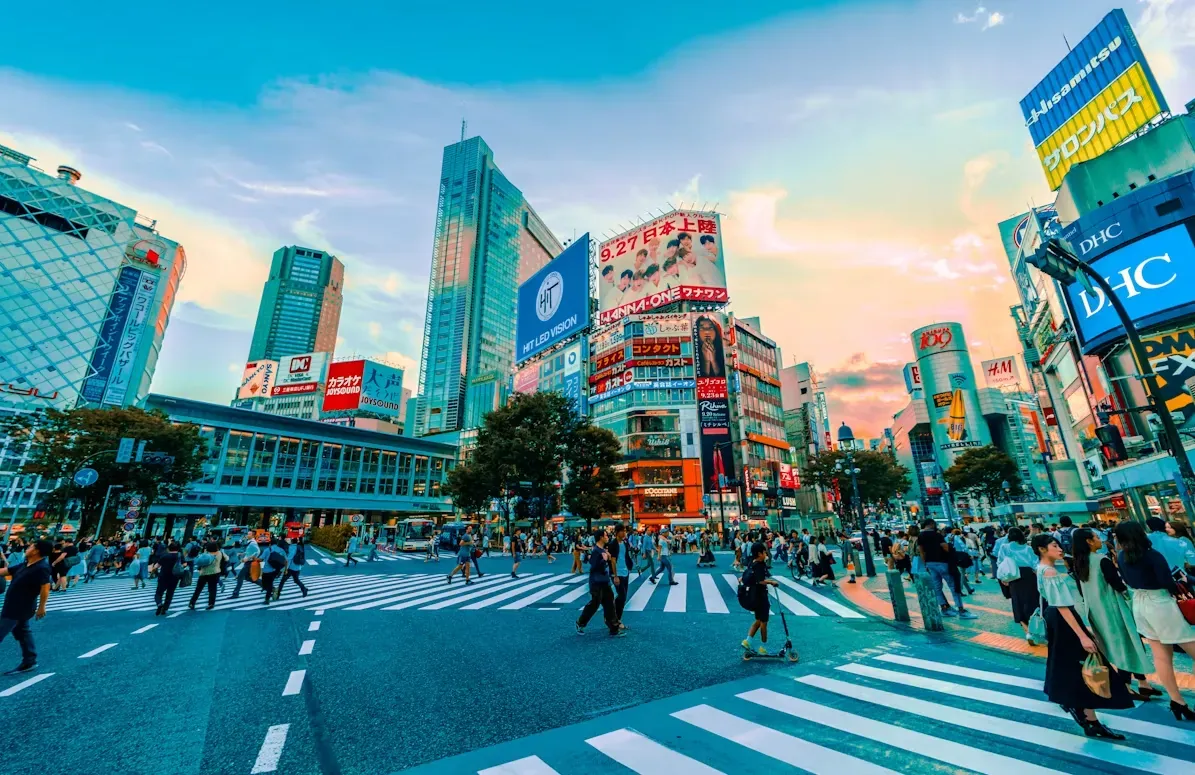
Every green light releases thousands of people from every direction. Somehow everyone avoids everyone else. The best part? Walk through it first. Then watch the organized chaos from above from Mag's Park or Shibuya Sky.
Best Viewing Spots:
Shibuya Sky: Outstanding aerial perspective from 229 meters high.
Mag's Park Rooftop: An open-air terrace directly overlooking the crossing.
L'Occitane Café: Second-story window seating perfect for a coffee break.
Shibuya Sky — Watch Sunset from the Skyline
If you only pay for one observation deck in Tokyo... Make it this one. As daylight fades, Tokyo slowly transforms into an ocean of lights stretching to the horizon. On clear evenings you might even spot Mount Fuji.

Photo by Joshua Tsu on Unsplash
Shibuya Sky Quick Tips
🌅 Best Time: 30–45 minutes before sunset • 📷 Best Photo Spot: Northwest Corner • ⏱ Stay: 90 minutes. Pre-booking a sunset slot is mandatory.
Save These Before Your Trip ❤️
If you're short on time... Don't skip:
- ✓teamLab Planets
- ✓Shibuya Crossing
- ✓Shibuya Sky
Tokyo's Historic Side
Senso-ji Temple, Asakusa — Visit Before the Crowds
Tokyo's oldest temple feels completely different before 9 AM. The lanterns glow softly. Incense drifts through the air. Souvenir shops slowly begin opening. It feels peaceful instead of busy.
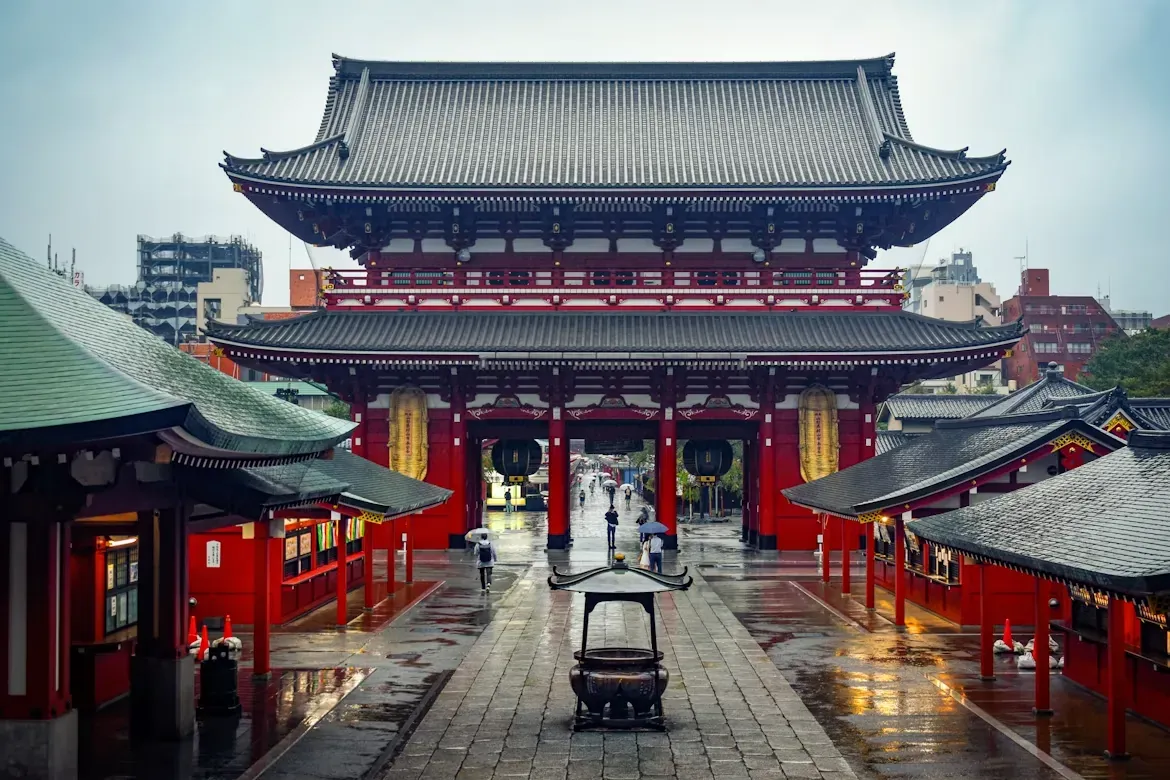
Thunder Gate: The iconic entrance.
Fortune Slips: Try your luck at drawing an omikuji fortune.
Nakamise Street: The historic shopping avenue.
Meiji Jingu Shrine, Harajuku — Escape the City
Only minutes from Harajuku... Everything becomes quiet. Towering trees block the city noise. Wide gravel paths replace traffic. It's hard to believe you're still in Tokyo.
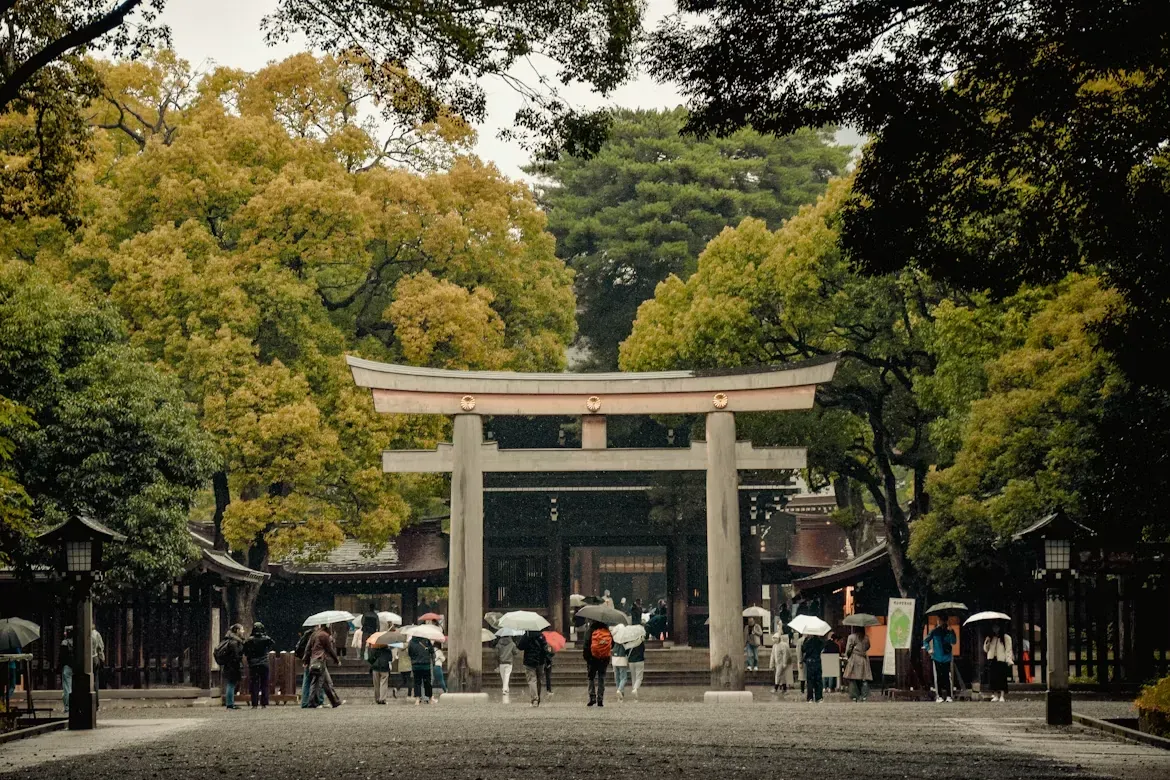
| Season | Vibe | Highlights |
|---|---|---|
| Spring | Fresh greenery | Beautiful garden foliage |
| Summer | Hydrangeas | Colorful blooms in June |
| Autumn | Golden leaves | Warm red and gold maples |
Sumo Training Stable — Watch Real Sumo Practice
Instead of watching a performance. Watch professional wrestlers train. No commentary. No music. No entertainment. Just discipline. It's one of the most authentic experiences in Tokyo. Read our complete guide to booking and respecting a local Sumo training stable experience.
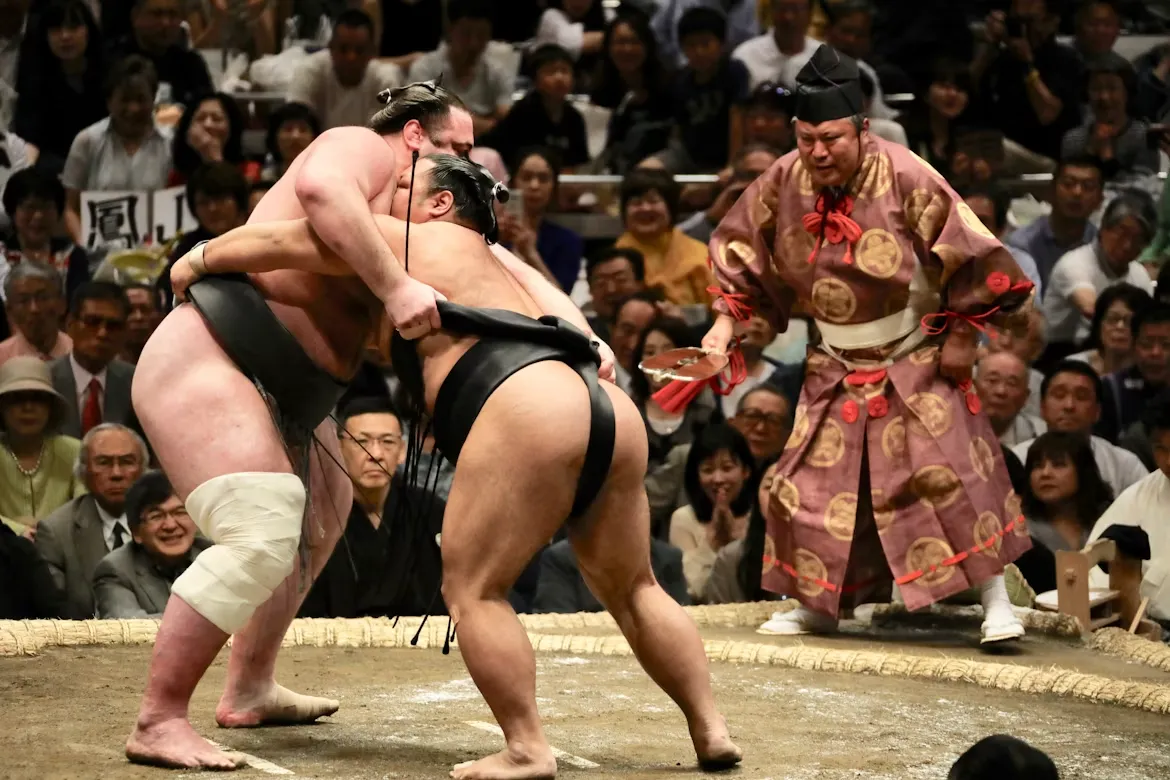
Sumo Stable Rules
🤫 Silence is Golden: Keep voice levels to a absolute whisper. • 📷 Photo Policy: Flash photography is strictly forbidden. • 🙇♂️ Respect: Bow slightly to the stablemaster and wrestlers when entering and exiting.
Navigating Tokyo's historic temples and traditional Sumo practices can be overwhelming to plan on your own. Many shrines have hidden protocols, and morning sumo stables require official permissions to enter. Booking a guided experience lets a local host handle all logistics and reveal cultural contexts you'd otherwise miss.
We highly recommend booking in advance, as spaces for these top-rated experiences are limited to keep group sizes small and intimate.
Food Experiences Worth Flying For
Tsukiji Outer Market — Eat Breakfast at Tsukiji
Fresh tuna, grilled scallops, sea urchin, and sweet tamagoyaki. If you enjoy seafood, this is the best breakfast you'll have in Japan.
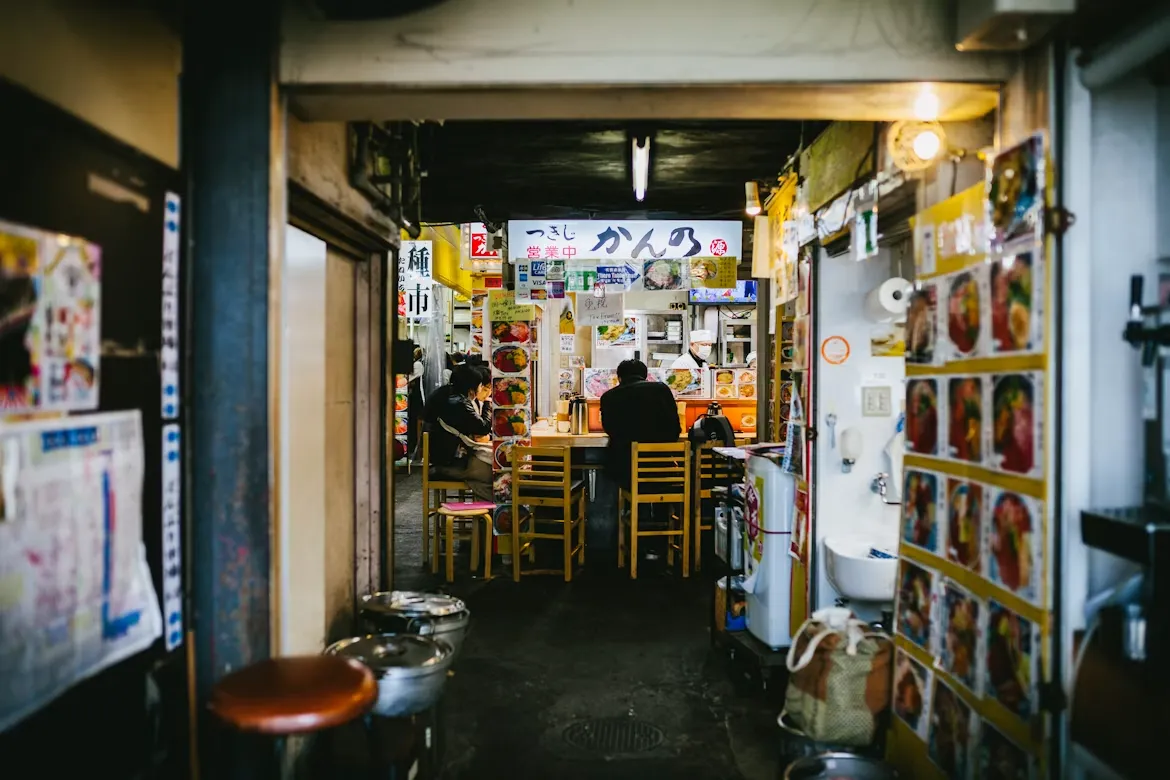
Must Try: Tuna (maguro), King Crab, Tamagoyaki (rolled omelet), Grilled Scallops.
Omoide Yokocho — Wander Shinjuku's Memory Lane
Tiny restaurants, smoke-filled alleys, cold beer, and fresh yakitori grilled over charcoal. This is old Tokyo.
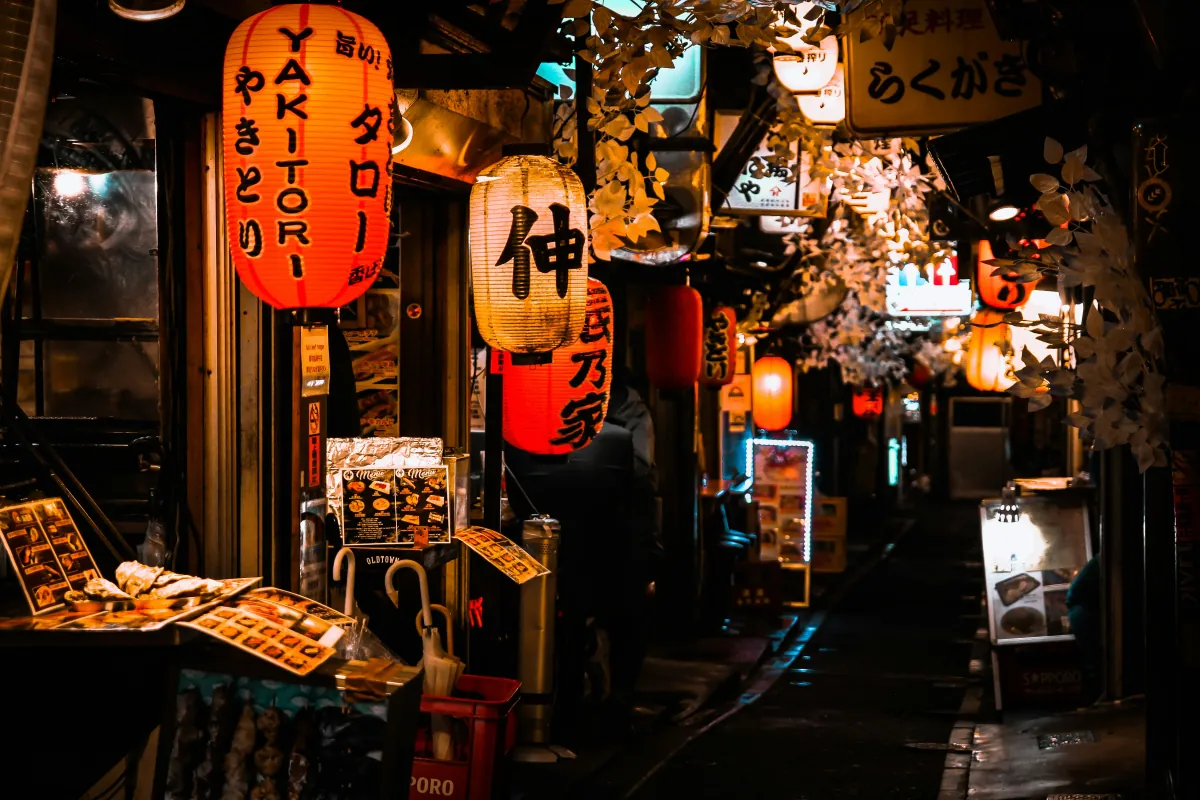
Top Alleys to Explore:
Yakitori Stalls: Try charcoal-grilled chicken skewers seasoned with tare sauce.
Motsu Nikomi: A classic slow-simmered beef or pork tripe stew.
Lemon Sour: Clean, fizzy cocktail that pairs perfectly with greasy street foods.
Golden Gai — Bar Hop Through 200 Tiny Bars
Over 200 tiny bars. Many have fewer than eight seats. Every door hides something different. Stay curious. Walk in, order one drink, and see where the night goes.

Photo by Mateo Krossler on Unsplash
Golden Gai Etiquette
💴 Cover Charge: Expect a 500 to 1,000 Yen cover charge at most bars. • 🚪 Door Signs: Look for "English Welcome" stickers. • 👥 Group Size: Best visited solo or in pairs due to tiny room constraints.
Tokyo's local food scene is famously rewarding but notoriously difficult to navigate. Most legendary Tsukiji vendors close by noon, and the best Golden Gai and Omoide Yokocho bars have strict guest-only door rules. Joining a guided tour guarantees you a seat and introduces you to hidden culinary spots you'd never find alone.
We highly recommend booking in advance, as spaces for these top-rated experiences are limited to keep group sizes small and intimate.
Anime & Pop Culture
Akihabara — Explore Electric Town
Arcades, anime shops, retro games, and electronics. Even if you're not an anime fan, the energy is unforgettable.
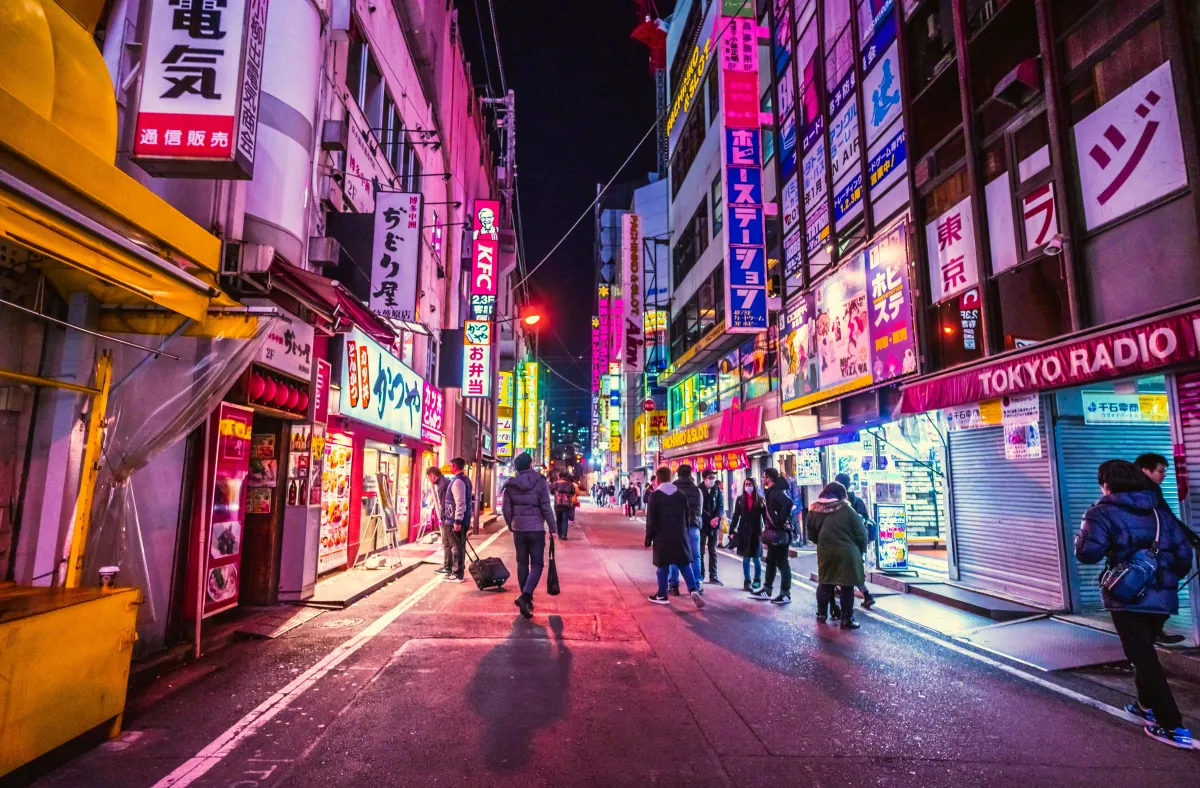
Otaku Landmarks:
Radio Kaikan: A massive 10-story complex of anime figures and collectibles.
Yodobashi Camera: An expansive megastore containing every piece of technology imaginable.
Mandai: The absolute best spot for pre-owned retro anime merchandise.
Super Potato — A Retro Gamer's Paradise
Every gamer should visit. Shelves packed with classic Nintendo, Sega, and PlayStation games. The upstairs arcade feels frozen in time.

Photo by Senad Palic on Unsplash
🕹️ Retro Paradise
Perfect for fans of 80s/90s consoles, custom Game Boy builds, and vintage snacks.
Takeshita Street, Harajuku — Fashion & Crepes
Tokyo's most colorful shopping street. Fashion, giant crepes, vintage stores, and incredible people-watching. Perfect for an afternoon stroll.

Photo by Caroline Roose on Unsplash
Must-Try Harajuku Sweets:
Marion Crepes: The gold standard of Harajuku crepes—try the strawberry cheesecake cream flavor.
Totti Candy Factory: Famous for spinning giant, rainbow-colored clouds of cotton candy.
Akihabara is massive, and finding the best retro gaming shops, arcade secrets, and rare figure hubs requires years of local knowledge. Having an expert guide ensures you bypass the tourist traps and dive straight into the authentic Otaku culture.
We highly recommend booking in advance, as spaces for these top-rated experiences are limited to keep group sizes small and intimate.
Skyline & Nature
Shinjuku Gyoen — Relax in Tokyo's Most Beautiful Park
One of Tokyo's most beautiful parks. Perfect after a busy morning of sightseeing. Bring snacks, slow down, and enjoy the gardens.
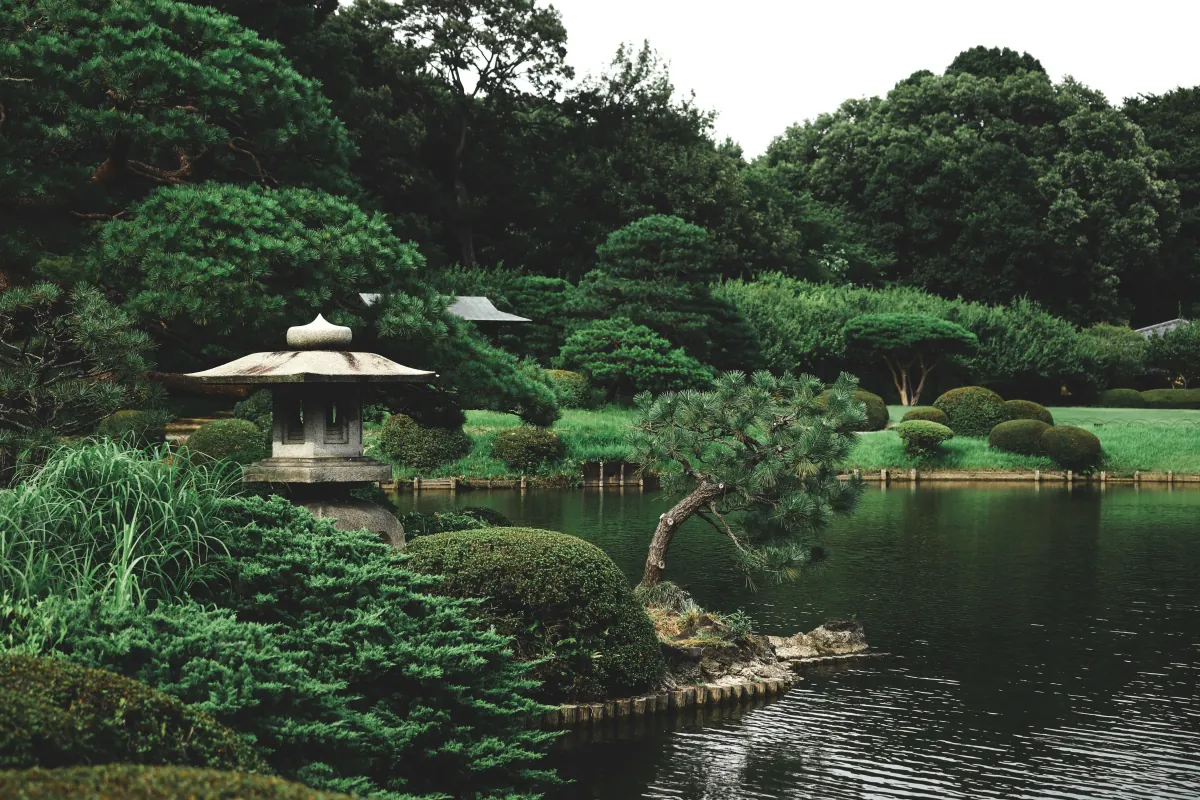
Garden Zones to Explore:
Japanese Traditional Garden: Features serene ponds, wooden bridges, and manicured pine trees.
English Landscape: Expansive open lawns perfect for dynamic picnics under cherry blossoms.
Greenhouse: An indoor sanctuary filled with rare subtropical orchids and jungle flora.
Tokyo Skytree — The World's Tallest Tower
The city's highest observation deck. Visit just before sunset for changing light and incredible skyline views.
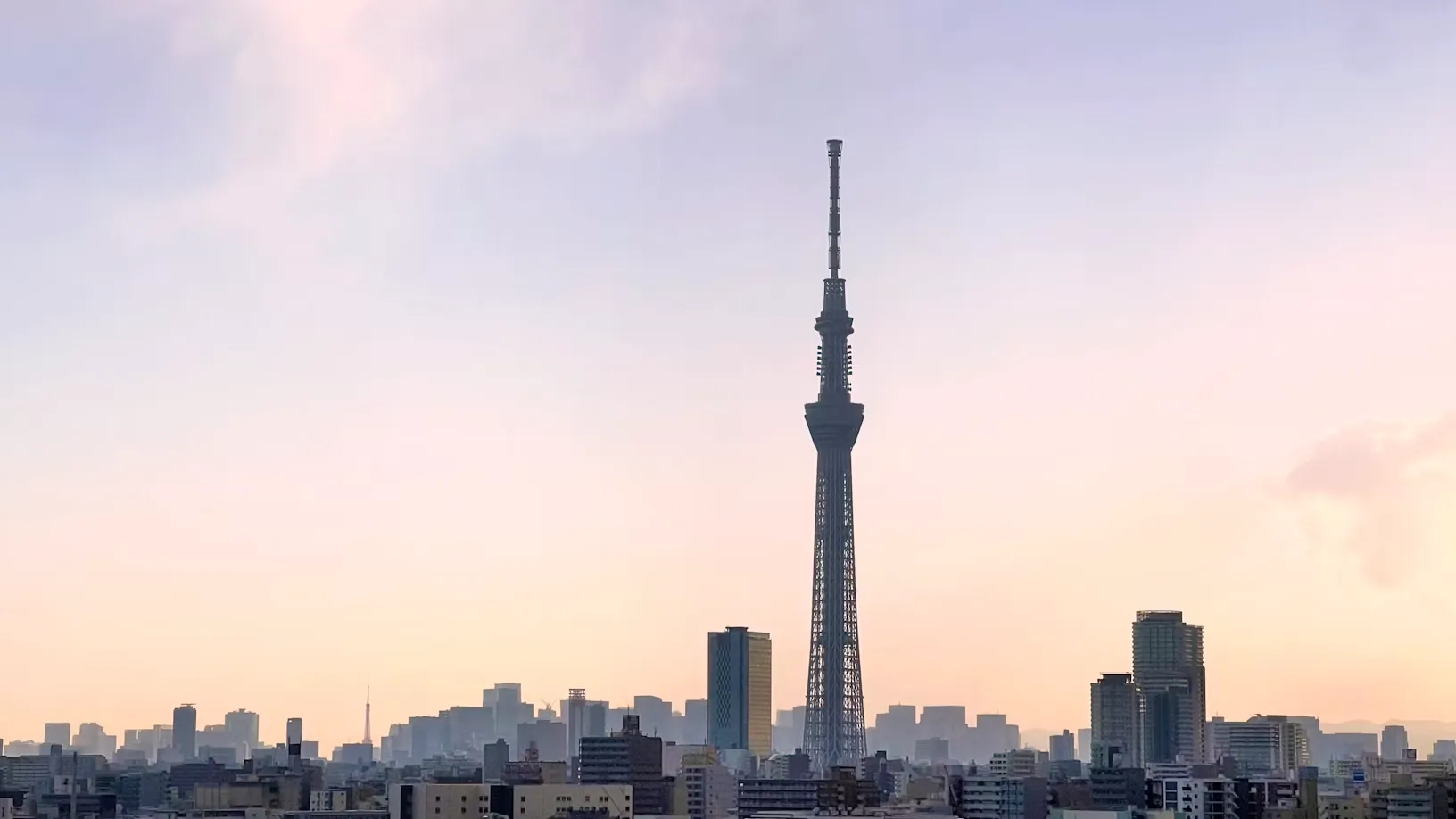
Skytree Booking Tip
🎫 Fast Pass: International visitors can book dedicated time slots online in advance to bypass the longest ticketing lines. Go on a winter afternoon for a chance to view Mount Fuji at sunset.
Comparing the skylines? Read our full breakdown: Shibuya Sky vs Tokyo Skytree: Which is Worth Booking?
Odaiba — Ride Across Rainbow Bridge
Ride across Rainbow Bridge, walk along Tokyo Bay, and watch the skyline light up after dark. A completely different side of Tokyo.

Photo by Cem Ersozlu on Unsplash
Top Odaiba Attractions:
Life-Sized Gundam: Watch the giant transforming Unicorn Gundam statue in front of DiverCity.
Odaiba Beach Walkway: A gorgeous bayside stroll offering romantic views of Rainbow Bridge at night.
Street Go-Karting — Drive Through Tokyo
One of Tokyo's most unusual experiences. Costumes, city streets, Rainbow Bridge, and bright night lights. Just remember you'll need an International Driving Permit.

Photo by Andrea De Santis on Unsplash
Go-Kart License Requirement
🪪 License check: You MUST present a valid International Driving Permit (IDP) conforming to the 1949 Geneva Convention, alongside your passport, to drive. Regular domestic licenses or digital copies are not accepted.
From driving go-karts down the streets of Shibuya to catching a panoramic sunset tour of the skyline, these outdoor experiences offer Tokyo's most dramatic views. Because these outdoor slots and vehicle permits require strict advance coordination, they sell out weeks ahead.
We highly recommend booking in advance, as spaces for these top-rated experiences are limited to keep group sizes small and intimate.
3-Day Tokyo Bucket List
🗺️ 3-Day Tokyo Itinerary Map & Route
Meiji Jingu Shrine → Takeshita Street → Shibuya Sky → Omoide Yokocho
Senso-ji Temple → Sumida River Park → Akihabara
Tsukiji Outer Market → teamLab Planets → Odaiba & Rainbow Bridge
Tickets to Book in Advance
Many of Tokyo's most popular attractions sell out weeks in advance. To secure your entry and preferred time slots, we highly recommend booking these tickets before you arrive:
💡 Money-Saving Pass Option: If you're visiting multiple major attractions in Tokyo, you can save up to 40% by booking a Klook Pass Greater Tokyo or the Have Fun in Tokyo Pass, which packages entry to teamLab Planets, Shibuya Sky, Tokyo Skytree, and more under one discounted pass.
Before You Go
Buy an IC Card: Load a digital Suica or Pasmo card to your phone's wallet before departure.
Reserve popular attractions early: teamLab, Shibuya Sky, and Sumo training book out weeks in advance.
Wear comfortable shoes: You will easily walk 15,000+ steps a day.
Carry cash: Smaller ramen shops and temple stalls do not accept credit cards.
Download offline maps: Google Maps offline or get an eSIM for constant data.
Continue Planning
Create Your Perfect Japan Itinerary
Customized daily plans, optimized routes, and curated local food recommendations tailored to your travel style.
Start Planning Now ➔About JPN Path
Editorial TeamThe JPN Path Editorial Team consists of local travel curators, cultural historians, and writers dedicated to sharing authentic, practical, and highly detailed guides for exploring Japan.
Continue Reading
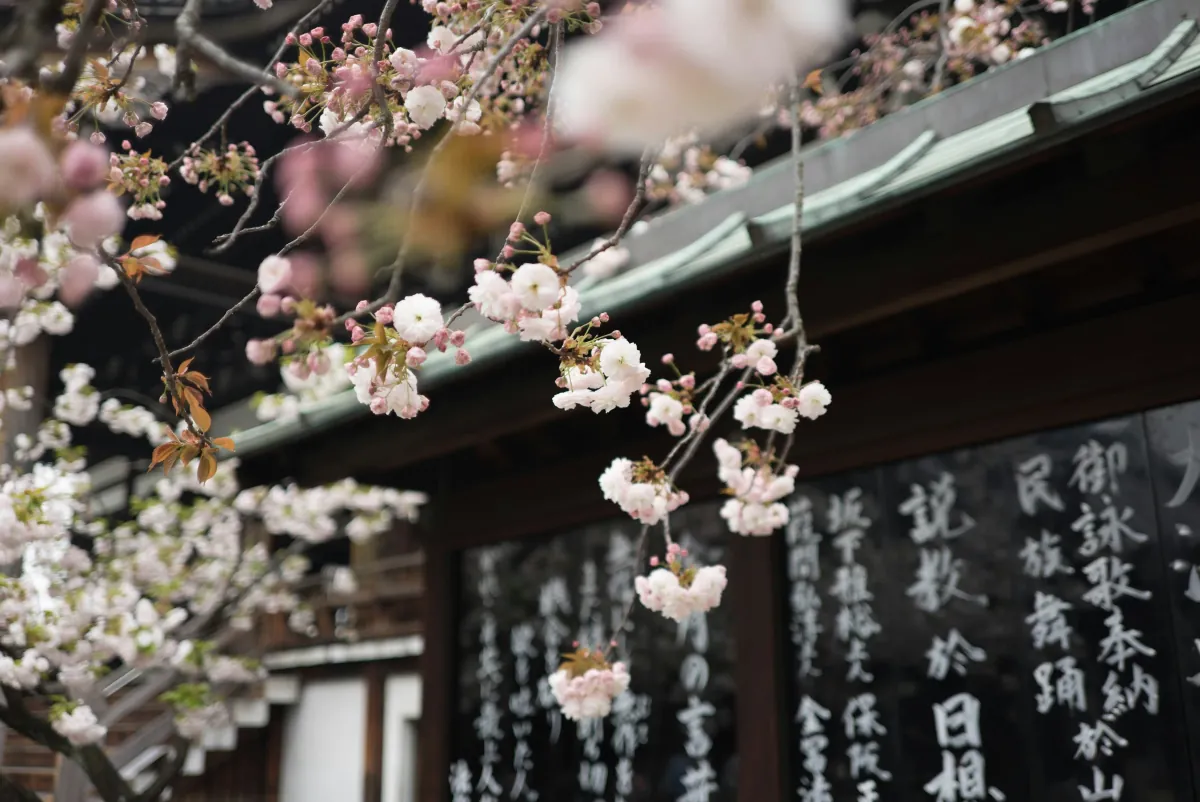
Osaka Bucket List: 21 Experiences Worth Your Time
Known as the Nation's Kitchen, Osaka is a sprawling, neon-drenched metropolis pulsing with food culture, striking contrasts, and historic landmarks. Here are 21 essential, bucket-list experiences.
Kyoto Bucket List: 25 Amazing Things to Do (2026)
Ancient temples. Hidden bamboo paths. Matcha tea houses. Kyoto isn't just a city—it's an experience you'll remember long after your trip.