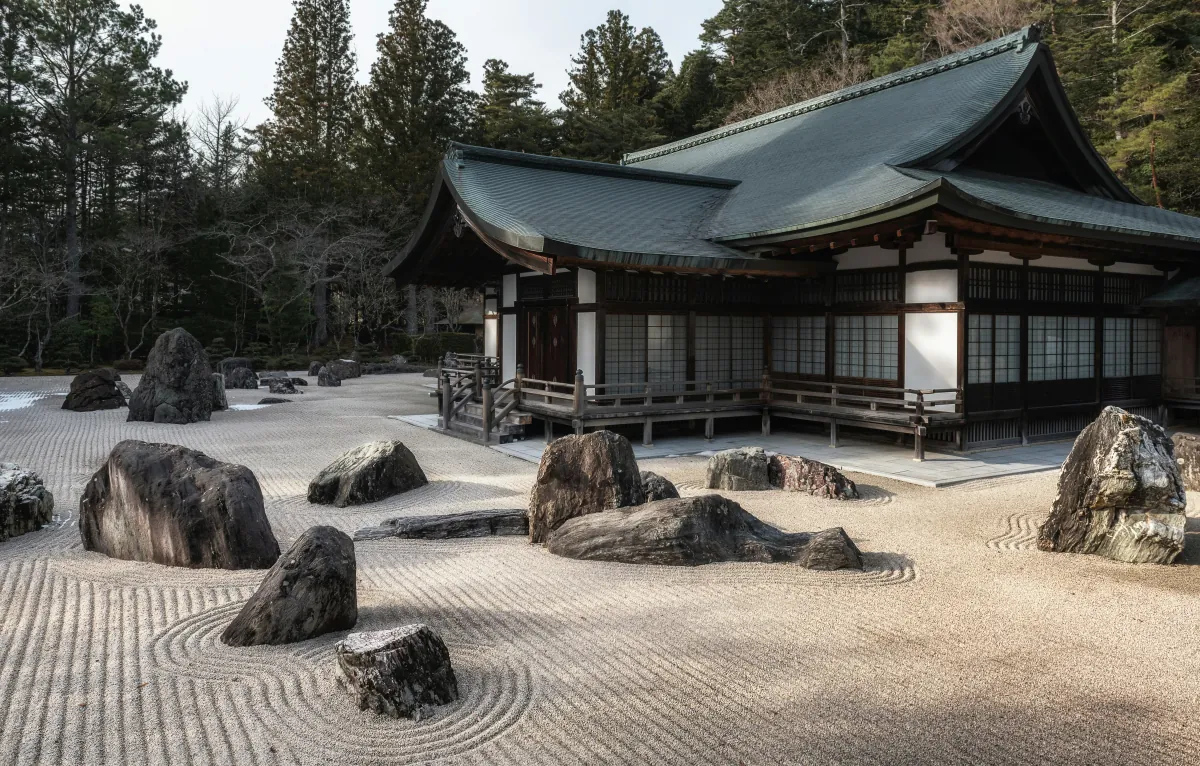
Ancient temples. Hidden bamboo paths. Matcha tea houses. Kyoto isn't just a city—it's an experience you'll remember long after your trip.

JPN Path
Editorial TeamAncient temples. Hidden bamboo paths. Matcha tea houses. Kyoto isn't just a city—it's an experience you'll remember long after your trip.
📌 Save this guide for later
First-time visitors
Couples
Families
Solo travelers
Food lovers
At a Glance
🍁 Best for: First-time visitors & returning Japan travellers
📅 Ideal stay: 3–5 days
🚶 Logistics: Most experiences are walkable or connected by public transport
🌸 Best seasons: Spring (March–April) & Autumn (November)
💴 Budget tip: The Kyoto City Bus 1-day pass (¥700) covers most major sights
📍 Map — All Bucket List Locations
Find exactly where every attraction, historic temple, nature walk, and local eatery is located to optimize your walking routes.
Kyoto's Iconic Temples & Shrines
"These are the places that have shaped Kyoto for centuries."
Walk Through 10,000 Torii Gates at Fushimi Inari Taisha — Kyoto Essential
Long before you reach the summit, the crowds begin to disappear. The deeper you climb, the quieter it becomes. Thousands of bright vermilion torii gates donated by businesses and individuals wind through cedar forest for 4km up Mount Inari, creating one of Japan's most recognizable and unforgettable walks. Unlike most Kyoto temples, Fushimi Inari is open 24 hours—making a sunrise or moonlit hike uniquely special.

Photo by David Emrich on Unsplash
Best-Kept Secret
Most visitors turn back at Yotsutsuji (the 4-way junction, ~40 min up). Continue to the summit for a completely different, serene atmosphere with almost no crowds.
Quick Guide:
📍 Location: Fushimi Ward, South Kyoto (JR Inari Station)
⏱ Time Needed: 1.5–3 hours (full summit hike)
💴 Entry: Free, open 24 hours
🌅 Best Time: Before 7 AM or after 6 PM
📸 Don't Miss: The densely packed twin gate rows just past the main shrine
👟 Tip: Wear sturdy shoes — the stone paths get steep and slippery
Stand Above Kyoto at Kiyomizu-dera — Float Above the Hillside
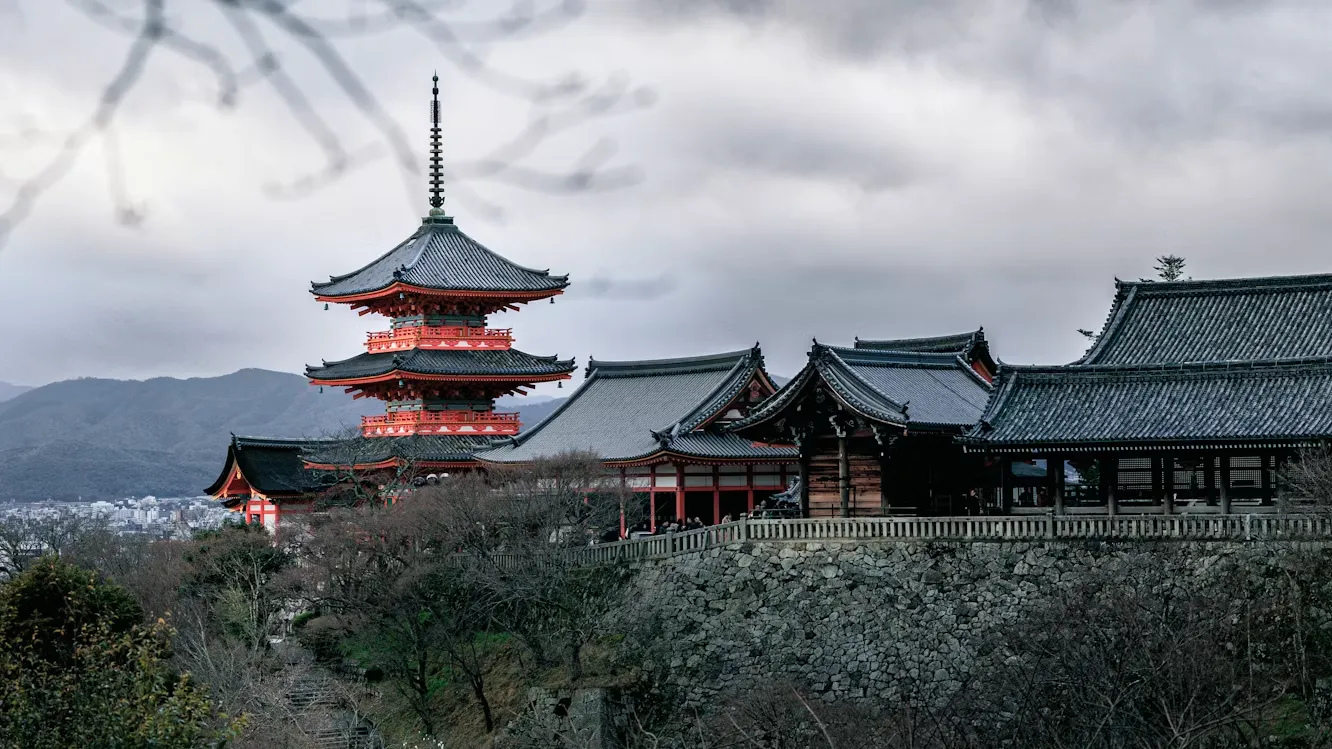
The massive wooden stage of Kiyomizu-dera — built without a single nail — appears to float above the hillside 13 metres below. From here, tiled rooftops stretch toward the mountains, shifting from cherry blossoms in spring to fiery red maple in autumn. The temple complex includes three waterfalls where visitors drink for health, love, and wisdom — but legend says drinking from all three is greedy. Choose wisely.
Crowd Strategy
Kiyomizu-dera is busiest 10 AM–3 PM. Arrive before 9 AM for soft morning light and almost empty walkways.
Quick Guide:
📍 Location: Higashiyama Ward (Bus stop: Kiyomizumichi)
⏱ Time Needed: 1–1.5 hours
💴 Entry: ¥500 (adults)
🌅 Best Time: Early morning or during autumn leaf season (mid-November)
📸 Don't Miss: The view from the main stage and the three Otowa waterfall streams
Nearby Landmarks:
Ninenzaka & Sannenzaka: The preserved stone-paved streets leading down from the temple
Yasaka Pagoda: Kyoto's iconic 5-story pagoda, 10 min walk
Maruyama Park: A 20-min walk through Higashiyama
Watch the Golden Pavilion Reflect on the Water — Kinkaku-ji
There are few buildings in Japan more instantly recognizable than Kinkaku-ji. Covered in genuine gold leaf on its upper two floors, the three-storey pavilion appears to float above Kyōko-chi (Mirror Pond) surrounded by centuries-old pine trees. It's the original structure of 1397 — though burned and rebuilt in 1955. Go early and the still water doubles the gold in a perfect reflection.

Photo by Fabian Bächli on Unsplash
Photography Tip
The best reflection shot is from the paved path directly in front of the pavilion, just past the main entrance gate. Arrive before 9:30 AM to avoid tour bus crowds blocking the view.
Quick Guide:
📍 Location: Kita Ward, NW Kyoto (Bus #101 or #205)
⏱ Time Needed: 45–75 minutes
💴 Entry: ¥500 (adults)
🌅 Best Time: 9 AM opening — the morning light hits the gold beautifully
❄️ Seasonal Note: Snow on the gold roof in winter is extraordinarily rare and stunning
📸 Don't Miss: The pavilion reflection from the lakeside path
Discover the Quiet Beauty of Ginkaku-ji — The Silver Pavilion
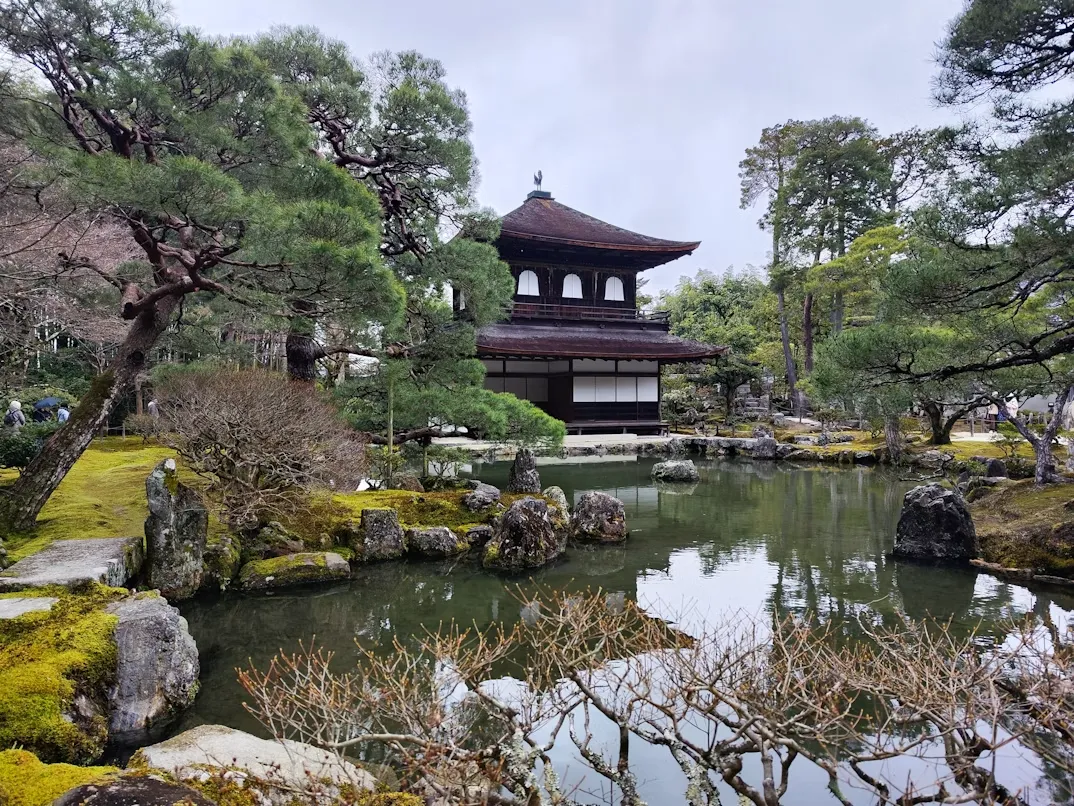
Never actually coated in silver — the name was given sarcastically by rivals of the Golden Pavilion — Ginkaku-ji impresses through restraint. Raked sand gardens. Soft moss pathways. A carefully manicured path through pine forest with views over the city below. It's a masterclass in wabi-sabi aesthetic philosophy, and one of Kyoto's most peaceful temple gardens. The adjacent Philosopher's Path begins right here.
Quick Guide:
📍 Location: Sakyo Ward, NE Kyoto (Bus #5 or #17)
⏱ Time Needed: 45–60 minutes
💴 Entry: ¥500 (adults)
🌅 Best Time: Morning on weekdays
📸 Don't Miss: The cone-shaped Kogetsudai sand mound in the front garden
🚶 Nearby: Philosopher's Path starts directly outside the temple gate
Experience Silence at Ryoan-ji — Zen Rock Garden
Fifteen carefully placed rocks arranged in five groups on a bed of white raked gravel — and from any angle, at least one rock is always hidden from view. One of Japan's most famous Zen gardens invites you to slow down, sit quietly on the wooden veranda, and simply observe. The riddle of what the garden represents has never been solved. Ryoan-ji also has a beautiful pond garden surrounding the temple — most visitors overlook it.

Photo by David Emrich on Unsplash
Hidden Gem
After the rock garden, walk down to Kyōyōchi Pond — a large strolling garden with cherry trees and turtles that almost no one visits. Worth 20 minutes of your time.
Quick Guide:
📍 Location: Ukyo Ward (Bus #59 from Kinkaku-ji — combine both visits)
⏱ Time Needed: 45–75 minutes
💴 Entry: ¥600 (adults)
🌅 Best Time: Weekday mornings
📸 Don't Miss: Try to find a viewpoint where all 15 rocks are visible — it's impossible by design
See 1,001 Kannon Statues at Sanjusangen-do — Surreal Golden Army
Walking into the enormous 120m wooden hall feels almost surreal. A thousand life-sized gilded Kannon statues stand in perfect rows, each one subtly different, each carved by master craftsmen of the Kamakura period. At the centre stands a seated Great Kannon 3.3 metres tall. Photography isn't allowed inside — but that actually heightens the impact. You'll carry the image long after you leave.

Quick Guide:
📍 Location: Higashiyama Ward (Bus #206, 208; stop: Sanjusangendo-mae)
⏱ Time Needed: 45–60 minutes
💴 Entry: ¥600 (adults)
🌅 Best Time: Weekday mornings; avoid national holidays
📸 Reminder: No photography inside the hall
📅 Special Event: Annual Tōshiya archery ceremony held every January
Wander Through Tenryu-ji — Landscaped Arashiyama Beauty
Step into Tenryu-ji immediately after the Bamboo Grove — they share a wall. One of Japan's first UNESCO World Heritage gardens, Tenryu-ji's landscape garden has framed the Arashiyama mountains for over 650 years using a technique called shakkei (borrowed scenery), making the mountains feel like part of the garden itself. The pond garden is equally beautiful in spring cherry blossom and autumn maple season.

Photo by Caleb Jack on Unsplash
Insider Route
Enter Tenryu-ji from the bamboo grove side (north gate) for ¥500 garden-only entry. The full temple interior entry is ¥800 but rarely necessary unless you want to see the famous Cloud Dragon ceiling painting.
Quick Guide:
📍 Location: Arashiyama, Ukyo Ward (Sagano Line: Saga-Arashiyama)
⏱ Time Needed: 45–75 minutes
💴 Entry: ¥500 (garden only) / ¥800 (full temple)
🌅 Best Time: Late November for autumn foliage, April for cherry blossoms
📸 Don't Miss: The Dragon painting on the ceiling of the Hatto Hall
Visit Eikando During Autumn — Crimson Maple Sanctuary
If Kyoto had a single signature autumn temple, Eikando would be it. Over 3,000 maple trees surround traditional wooden corridors, bridges, and pagodas in shades of deep crimson, amber, and gold. Come in mid-November when the trees peak, or visit for the famed Momiji Tōkō (autumn night illumination), when the whole garden glows under soft lamplight after dark. Eikando is also home to the unusual Mikaeri Amida — a Buddha statue looking backward over its shoulder.
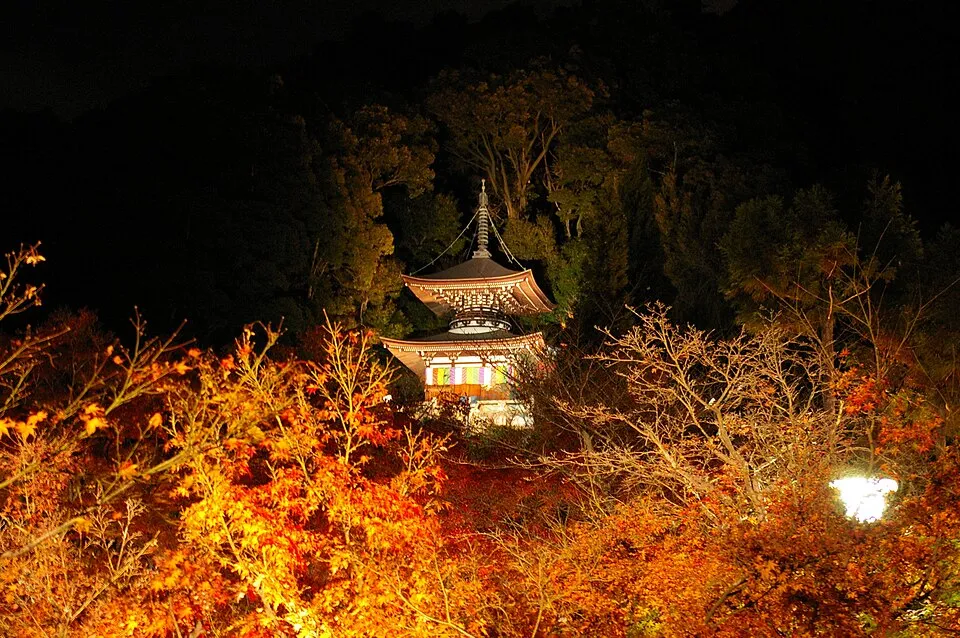
Photo by Tomomarusan under CC BY-SA 3.0
Night Illumination
Eikando holds a famous Momiji Tōkō autumn illumination every November (typically first 2 weeks). The garden is open until 9 PM and glows red and gold under lantern light. Book your Kyoto trip around this if you can.
Quick Guide:
📍 Location: Sakyo Ward (5 min walk from Nanzenji)
⏱ Time Needed: 1–1.5 hours
💴 Entry: ¥600 (regular) / ¥1,000 (during autumn illumination)
🌅 Best Time: Mid-November for peak autumn colour
📸 Don't Miss: The maple-framed view from the Tahōtō pagoda
🚶 Nearby: Nanzenji temple and the Philosopher's Path are both within 10 min walk
Nature & Scenic Walks
"Kyoto moves at a slower pace once you leave the busy streets."
Walk Through the Arashiyama Bamboo Grove — Whispering Canopy
Arrive before the tour buses and the bamboo grove is yours. As the morning breeze moves through the towering stalks — some reaching 20 metres — the entire forest whispers and creaks around you. The path is only 400m long, which surprises most visitors, but it's one of Japan's most uniquely atmospheric short walks. The grove is at its most magical just after rainfall, when the green deepens and the path empties.

Photo by Duong Nguyen on Unsplash
Go Before 7:30 AM
The bamboo grove gets extremely crowded by 10 AM. Aim to arrive by 7–7:30 AM for a genuinely quiet experience. The Arashiyama area has several cafés open from 7 AM for breakfast after your walk.
Quick Guide:
📍 Location: Arashiyama, Ukyo Ward
⏱ Time Needed: 20–40 minutes (grove only)
💴 Entry: Free
🌅 Best Time: Before 8 AM or just after rain
📸 Don't Miss: The tunnel-like perspective looking straight down the path
➕ Combine with: Tenryu-ji garden and Okochi Sanso Villa are directly adjacent
Follow the Philosopher's Path — Quiet Canal Stroll
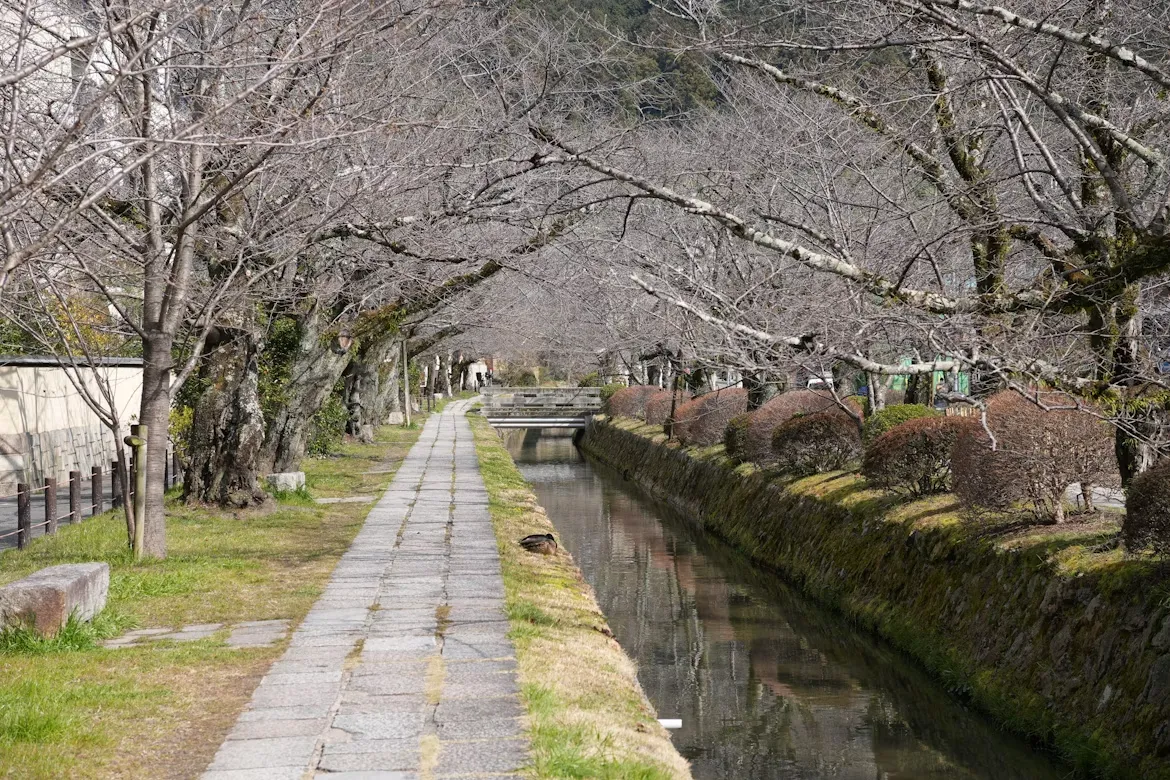
A 2km stone-paved canal path named after philosopher Nishida Kitaro, who walked it daily in contemplation. Cherry blossom trees arch overhead in spring, creating a famous pink tunnel. Along the way, small cafés, bakeries, independent artisan shops, and hidden temple gardens appear around every bend. This isn't about reaching a destination — it's about discovering what you weren't expecting to find.
What to Find Along the Way
Look for Otoyo Jinja (a small shrine with fox statues wearing scarves), Anrakuji temple with a peaceful stepping-stone garden, and several tiny shops selling handmade ceramics.
Quick Guide:
📍 Location: Sakyo Ward — runs from Ginkaku-ji south to Nanzenji
⏱ Time Needed: 45–75 minutes (unhurried walk)
💴 Entry: Free
🌅 Best Time: Spring (late March–early April) for cherry blossoms; autumn for maple
📸 Don't Miss: The canal reflections in early morning light
🚶 Route Tip: Walk north-to-south (Ginkaku-ji → Nanzenji) to end near Eikando and the subway
Tour Katsura Imperial Villa — Pinnacle of Garden Design
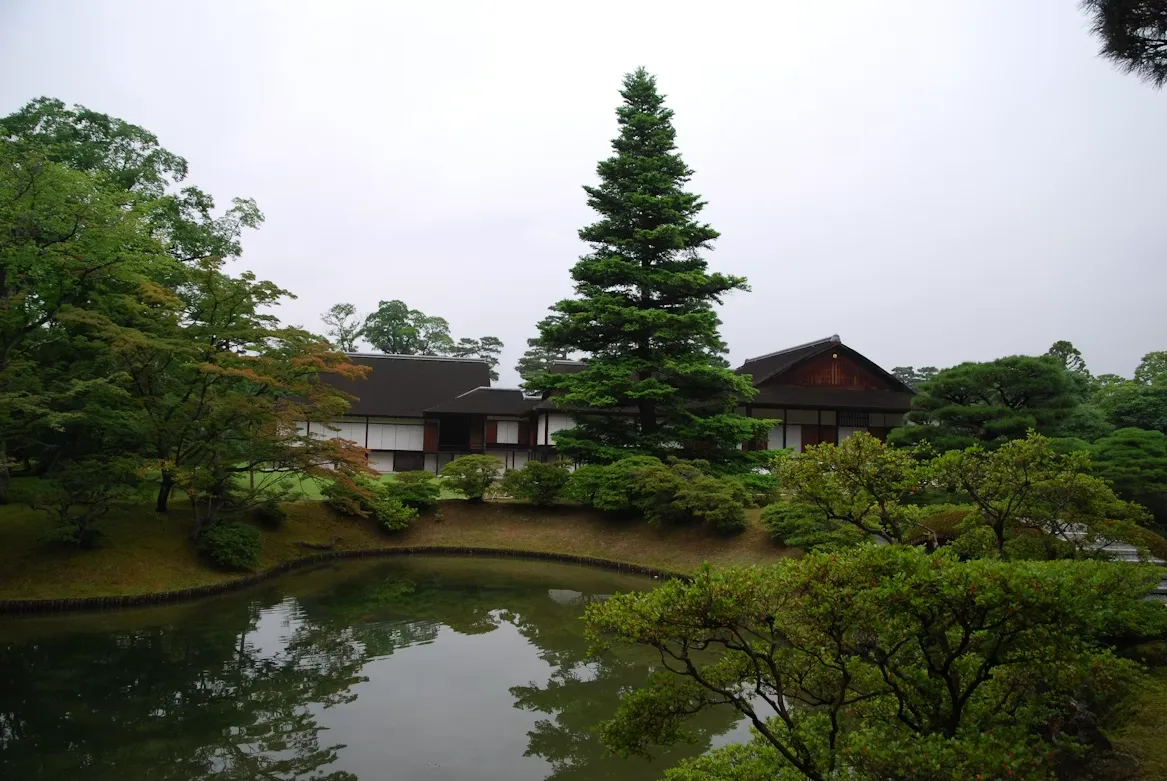
Considered one of the greatest achievements in Japanese garden design, the Katsura Imperial Villa was built in the 1620s for an imperial prince and has never been opened to the general public — only guided tours are permitted. Every element of the strolling garden is precisely choreographed: stepping stones control your pace, viewing platforms frame specific seasonal scenes, and teahouses open at carefully planned angles. Book well in advance through the Imperial Household Agency website.
Book in Advance
Katsura Imperial Villa only accepts visitors via the Imperial Household Agency website — limited slots, often fully booked weeks ahead. Apply at sankan.kunaicho.go.jp. Entry is free but guided.
Quick Guide:
📍 Location: Nishikyo Ward, SW Kyoto (Katsura Station + 10 min walk)
⏱ Time Needed: 1 hour (guided tour)
💴 Entry: Free — advance reservation required
📅 Availability: Tours run Tue–Sun at set times; closed Mon and Imperial events
🌿 Best Season: Spring and autumn when garden seasonal elements activate
📸 Don't Miss: The Shokin-tei teahouse with its chequered fusuma screens
Spend Sunset Along the Kamogawa River — Central Gathering Spot
As evening approaches, a quiet ritual plays out along Kyoto's central river. Couples space themselves precisely 1.5 metres apart on the stone banks — an old Kyoto tradition. Locals bring bento boxes, play music, walk dogs, and simply sit and watch the light change over the mountains to the west. It's one of Kyoto's most authentic, unscripted everyday experiences — and entirely free.

Quick Guide:
📍 Location: Runs through central Kyoto; best accessed near Sanjo or Shijo bridges
⏱ Time Needed: 30–60 minutes at sunset
💴 Entry: Free
🌅 Best Time: 1 hour before sunset
🎎 Local Custom: The famous couple-spacing tradition — don't sit closer than 1.5m to another pair!
🍱 Tip: Pick up a bento from Nishiki Market or a nearby konbini and enjoy riverside
Picnic Under the Famous Cherry Tree in Maruyama Park — Hanami Traditions
Maruyama Park's centrepiece — a massive weeping cherry tree (shidare-zakura) that's over 70 years old — draws tens of thousands of visitors every spring. Lit up beautifully at night, it's one of Kyoto's most iconic hanami sights. In autumn and summer the park is equally pleasant — far less crowded, and a favourite spot for locals to relax any time of year.
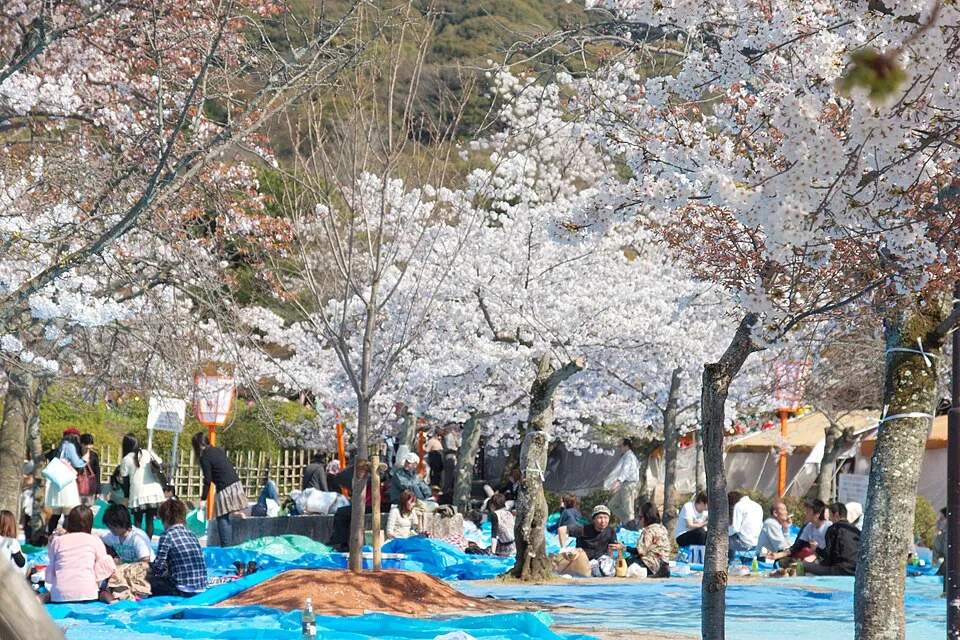
Photo by KimonBerlin under CC BY-SA 2.0
Hanami Season Tip
During cherry blossom season (late March–early April), Maruyama Park hosts evening food stalls and lantern lighting. Arrive before 5 PM to secure a riverside spot under the weeping cherry tree.
Quick Guide:
📍 Location: Higashiyama Ward (5 min walk from Yasaka Shrine)
⏱ Time Needed: 30–60 minutes
💴 Entry: Free
🌸 Best Time: Late March–early April for cherry blossoms; evenings for illumination
📸 Don't Miss: The night-lit weeping cherry tree — one of Kyoto's most photographed moments
🍺 Nearby: Yasaka Shrine is directly adjacent; Gion is 5 min walk south
Historic Streets & Culture
"Step back in time down Kyoto's ancient corridors."
Wander Gion at Dusk — Lanterns & Machiya
The lanterns begin to glow. Wooden machiya townhouses line Hanamikoji Street. Every corner feels like stepping into 18th-century Japan. Gion is Kyoto's most famous geiko (geisha) district, and while genuine geiko sightings are increasingly rare, the atmosphere of the neighbourhood itself — preserved wooden architecture, subtle shamisen music from behind latticed windows — is the real attraction. Walk slowly. Look for the small alleyways off the main street.

Respectful Visiting
Never photograph or stop geiko and maiko on the street — this is considered extremely rude and has led to photography bans in parts of Gion. Enjoy from a respectful distance.
Quick Guide:
📍 Location: Higashiyama Ward (Gion-Shijo Station, Keihan Line)
⏱ Time Needed: 1–1.5 hours
💴 Entry: Free to walk
🌆 Best Time: Dusk to 9 PM when lanterns are lit
📸 Don't Miss: The stone-lantern-lit Hanamikoji Street and the tiny alley Shirakawa Minami-dori
🎎 Special Event: Gion Matsuri festival in July — one of Japan's greatest festivals
Explore Ninenzaka — Classic Cobbled Slopes
Two preserved stone-paved streets — Ninenzaka (2-year slope) and Sannenzaka (3-year slope) — lead you through some of Kyoto's most beautiful traditional architecture. The slopes are lined with wooden machiya converted into tea houses, matcha shops, kimono rental studios, and craft stores. Look for the famous Starbucks housed entirely inside a traditional machiya with tatami seating — one of the most unique coffee shop settings in Japan.

Photo by Kylli Kittus on Unsplash
Old Superstition
A Kyoto legend says that if you stumble on the stones of Sannenzaka, you'll have 2 years of bad luck, and Ninenzaka means 3 years. Walk carefully — the uneven stones can be slippery in rain!
Quick Guide:
📍 Location: Higashiyama Ward (10 min walk from Kiyomizu-dera)
⏱ Time Needed: 30–60 minutes
💴 Entry: Free
🌅 Best Time: Early morning (before 9 AM) or weekday afternoons
📸 Don't Miss: The tatami Starbucks on Ninenzaka and the atmospheric alley leading to Kodai-ji temple
🍡 Must Try: Matcha soft serve and mitarashi dango from street stalls
Visit Nijo Castle — Nightingale Floors
The second UNESCO site on Kyoto's must-see list (after the extended temple group), Nijo Castle was built in 1603 for the first Tokugawa shogun. Walk across the famous uguisubari (nightingale floors) — boards specially designed to squeak at every step to detect intruders. The Ninomaru Palace interior is one of the finest examples of Momoyama-period decorative art, with painted gold screens and carved transom panels in every room.

Photo by Eleonora Albasi on Unsplash
Quick Guide:
📍 Location: Nakagyo Ward (Nijo-jo-mae Station, Tozai Line)
⏱ Time Needed: 1–1.5 hours
💴 Entry: ¥1,300 (adults, includes palace interior)
🌸 Seasonal Note: Nijo Castle has a famous cherry blossom garden that lights up at night in spring
📸 Don't Miss: The golden painted screens inside Ninomaru Palace
⏰ Hours: 8:45 AM – 5 PM (closed Tue in Jan, Jul–Aug, Dec)
Stroll Through Kyoto Imperial Palace — Seat of Emperors
For over 500 years, the Kyoto Imperial Palace was the home of Japan's Imperial family before the capital moved to Tokyo in 1869. The sprawling park grounds (Kyoto Gyoen) are freely accessible daily — a huge quiet green space in central Kyoto beloved by locals for picnics and morning walks. The palace buildings themselves require a reservation through the Imperial Household Agency for free guided tours.

Photo by Dmitry Romanoff on Unsplash
Quick Guide:
📍 Location: Kamigyo Ward (Imadegawa Station, Karasuma Line)
⏱ Time Needed: 1–2 hours (park + palace tour)
💴 Entry: Park is free; palace tour is free with advance online booking
📋 Book at: sankan.kunaicho.go.jp
🌸 Best Season: Spring — the park is full of cherry and plum trees
📸 Don't Miss: The Oike-niwa pond garden and Oguruma Gate
Traditional Tea Ceremony — Zen Matcha Practice
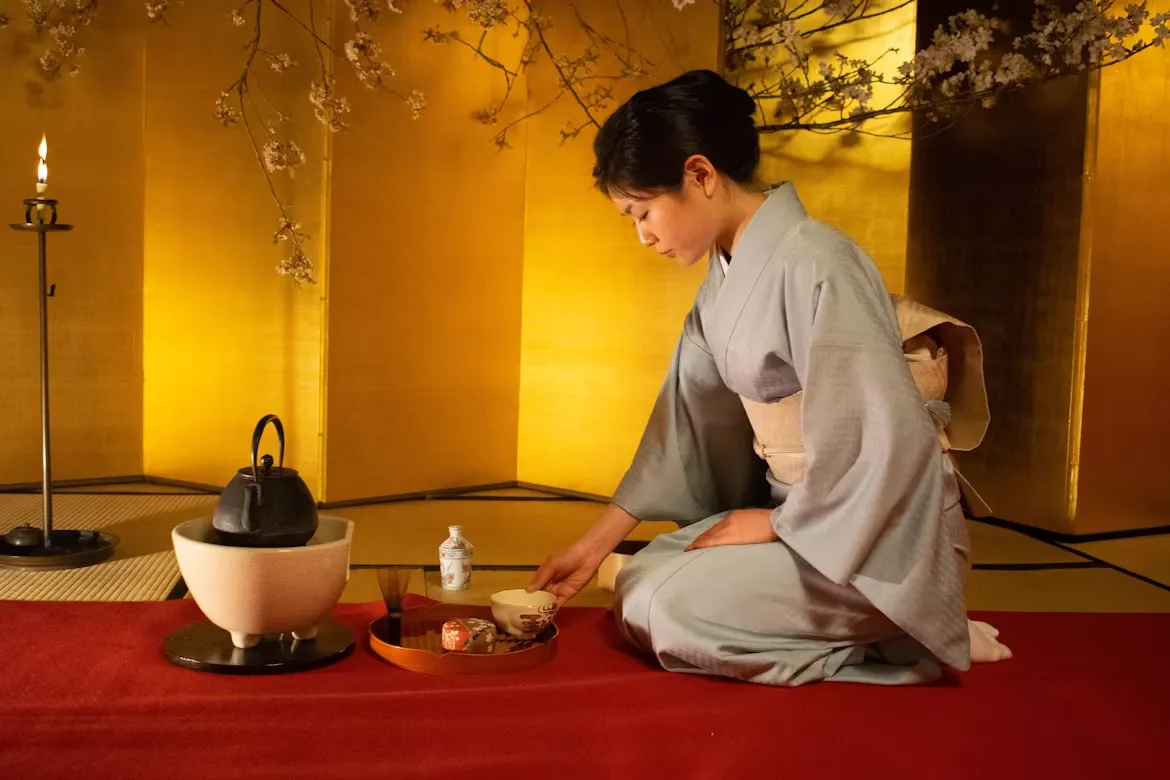
A genuine tea ceremony (chado or chanoyu) is not simply drinking matcha — it's a complete meditative ritual. Every movement of the host is precisely choreographed: the folding of the fukusa cloth, the rhythm of whisking, the angle of the chawan bowl. In Kyoto's oldest teahouses and private tatami rooms, you can participate in a ceremony lasting 30–60 minutes that transforms a simple bowl of tea into a philosophical act.
Choosing an Experience
Avoid tourist-trap "5-minute matcha demonstrations." Look for experiences lasting at least 45 minutes with a licensed tea master in a genuine tatami room. The Urasenke and Omotesenke schools both offer authentic seasonal ceremonies in Kyoto.
Quick Guide:
📍 Location: Gion, Higashiyama, and Arashiyama areas
⏱ Time Needed: 45–75 minutes
💴 Cost: ¥2,000–¥8,000 depending on format
👘 Tip: Some ceremonies offer kimono rental as an add-on
📅 Book in Advance: Most highly-rated studios fill up 2–3 weeks ahead
See the Kimono Forest — Randen Illuminated Pillars
Walk through the Kimono Forest at Randen Arashiyama Station. Over 600 stainless steel cylinders, each wrapped in Kyo-yuzen dyed silk in traditional patterns, line both sides of the station platform and surrounding paths. At night, each pillar is lit from within, creating a luminous corridor of colours. The display is permanent, free, and one of Kyoto's most underrated photo spots.
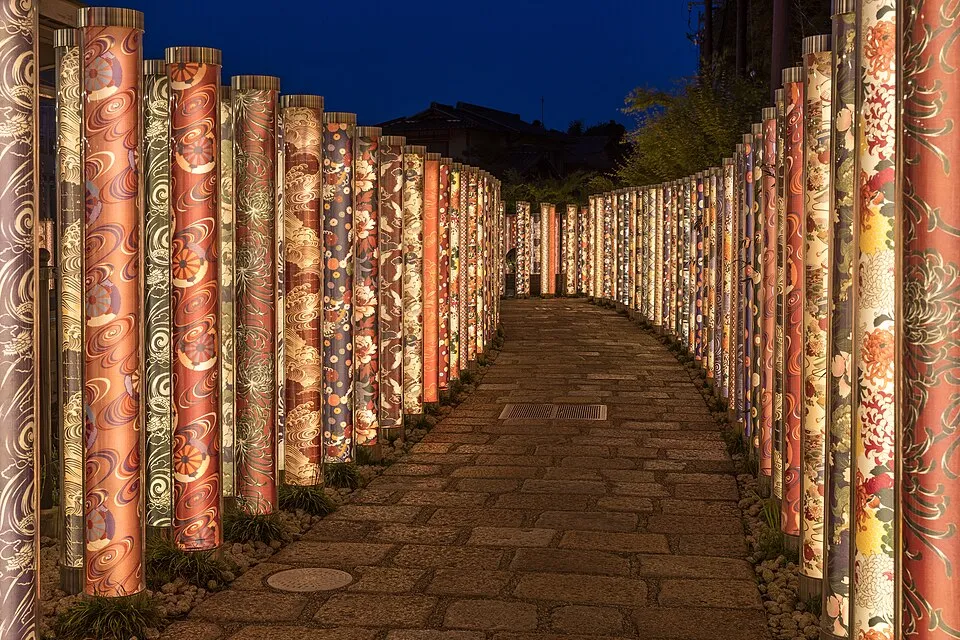
Photo by Basile Morin under CC BY-SA 4.0
Quick Guide:
📍 Location: Randen Arashiyama Station, Ukyo Ward
⏱ Time Needed: 15–30 minutes
💴 Entry: Free (no train ticket needed to walk through)
🌙 Best Time: After dark for the full illumination effect
📸 Don't Miss: The long corridor view down the platform lined with glowing pillars
➕ Combine with: Arashiyama Bamboo Grove is 5 min walk away
Guided Kyoto heritage walks, traditional matcha ceremonies, and authentic kimono rentals sell out months in advance because they are hosted in small historical venues with limited daily permits. Booking a local guided experience handles all language barriers and secures guaranteed spots.
We highly recommend booking in advance, as spaces for these top-rated experiences are limited to keep group sizes small and intimate.
Eat Your Way Through Kyoto
"Kyoto's culinary scene is a delicate balance of street eats, fresh tofu, and refined multi-course banquets."
Nishiki Market — The Kitchen of Kyoto
This 400-year-old covered shopping street — just 5 stalls wide and stretching 400m — has been supplying Kyoto's households and restaurants since the Edo period. Today it's a brilliant mix of traditional food stalls and specialty shops. Sample grilled octopus skewers, matcha ice cream, dashi-marinated tofu, pickled vegetables (Kyoto's famous tsukemono), and handmade wagashi sweets as you inch through the always-busy covered arcade.

Photo by Perry Merrity II on Unsplash
Quick Guide:
📍 Location: Nakagyo Ward (Nishiki-koji-dori, parallel to Shijo-dori)
⏱ Time Needed: 45–75 minutes
💴 Budget: ¥500–¥2,000 for casual tasting
⏰ Hours: Most stalls open 9 AM–6 PM; some close Wednesdays
🍢 Must Try: Grilled octopus skewers (tako), sesame tofu, and matcha cream daifuku
📸 Tip: Arrive before 11 AM — mid-day crowds make it difficult to move
Walk Down Pontocho Alley — Lantern-Lit Dining
Pontocho is one of Kyoto's most atmospheric dining corridors — a narrow stone-paved alley running parallel to the Kamogawa River. In summer, riverside restaurants open wooden platforms (kawayuka) that extend over the water. In any season, the lane glows with paper lanterns and the muffled sound of shamisen music from upstairs windows. Restaurants range from ¥800 ramen counters to ¥20,000 kaiseki — the alley doesn't discriminate.

Photo by ayumi kubo on Unsplash
Kawayuka Summer Dining
From May through September, restaurants along Pontocho set up open-air wooden platforms (kawayuka) above the Kamogawa River. Eating al fresco over the river in summer is one of Kyoto's most beloved seasonal traditions — book ahead.
Quick Guide:
📍 Location: Nakagyo Ward (between Shijo-dori and Sanjo-dori, west of Kamogawa)
⏱ Time Needed: 1–2 hours (dinner)
💴 Cost: ¥800–¥20,000+ depending on restaurant
🌙 Best Time: After 6 PM when lanterns are lit
🍶 Must Try: Kyo-kaiseki (Kyoto-style multi-course dinner) or casual yakitori counter
Kyoto Station — Modern Culinary Skylines
Kyoto Station is a destination in itself — a striking piece of modernist architecture housing department stores, a sky garden walk, and over 200 restaurants across 11 floors. The 11th floor Ramen Koji (Ramen Street) houses eight of Kyoto's best ramen shops in a retro-styled alley. The rooftop sky plaza has panoramic views of the city and Kyoto Tower directly opposite.

Photo by Jonas Jacobsson on Unsplash
Quick Guide:
📍 Location: Shimogyo Ward (Kyoto Station, all lines)
⏱ Time Needed: 30–60 minutes
💴 Cost: Free to explore; dining from ¥900
🍜 Must Try: Ramen Koji on the 11th floor of the Isetan wing
🏙️ Don't Miss: The free rooftop sky garden and the grand staircase light shows
🎌 Practical: The station has coin lockers, tourist information, and direct bus connections to all major sights
Samurai Ninja Museum — Hands-on History
Located in the heart of Kyoto's entertainment district, the Samurai Ninja Museum is a genuine interactive experience rather than a passive exhibit. Try on full samurai armour, practise shuriken (throwing star) techniques, and participate in hands-on sword demonstrations led by costumed guides. Ideal for families or anyone who wants to engage with the warrior history of feudal Kyoto.

Quick Guide:
📍 Location: Nakagyo Ward (5 min walk from Nishiki Market)
⏱ Time Needed: 60–90 minutes
💴 Entry: ¥2,800 (adult) — includes guided show and hands-on activities
📅 Book Ahead: Popular time slots (10 AM–2 PM) fill fast, especially on weekends
👨👩👧 Best For: Families, history enthusiasts, or anyone who wants interactive culture
📸 Don't Miss: Full samurai armour photo opportunity
Beyond the City
"Take a quick train ride to explore some of Kyoto prefecture's most rewarding day trips."
Meet the Monkeys at Iwatayama — Scenic Peak Views
A 20-minute uphill hike from the Arashiyama riverside rewards you with two things: panoramic views over the entire Kyoto basin, and close encounters with a troop of over 120 wild Japanese macaques. The park is a genuine wildlife reserve — not a zoo. Monkeys roam freely while visitors observe from within an enclosed viewing room. You can even hand-feed them peanuts through wire mesh from inside the shelter.
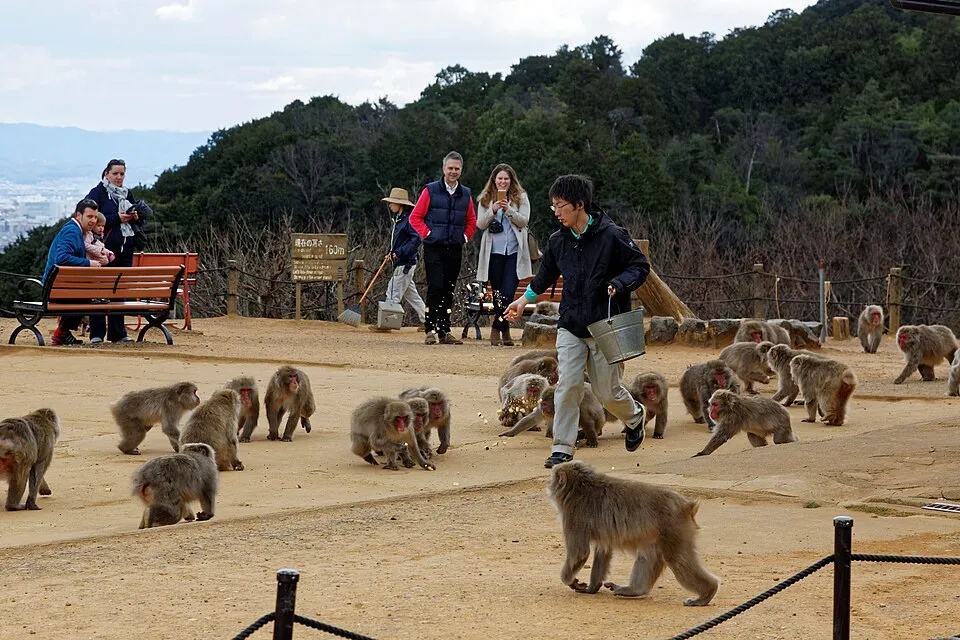
Photo by KimonBerlin under CC BY-SA 2.0
Hike Tips
The uphill trail takes 20–25 minutes and gets steep. Wear comfortable shoes. The entrance fee (¥600) is paid at the top, not the bottom — so commit to the hike first!
Quick Guide:
📍 Location: Arashiyama (access from Arashiyama Togetsu-kyo Bridge)
⏱ Time Needed: 1–1.5 hours (including hike)
💴 Entry: ¥600 (adults)
⏰ Hours: 9 AM – 5 PM (last entry 4:30 PM)
🐒 Wildlife Note: These are wild animals — do not make eye contact, crouch down, or show food outside the shelter
📸 Don't Miss: The Kyoto city panorama from the summit — best on clear days
Escape to Uji — Green Tea Capital
Just 17 minutes from Kyoto Station by JR, the small city of Uji is Japan's undisputed matcha capital. Walk the riverside path past Byodoin Temple (the building on the ¥10 coin), cross the historic Uji Bridge, and visit traditional tea houses that have served ceremonial-grade gyokuro and matcha for centuries. Uji's matcha is a protected geographical indication — the finest in the world, and here it's everywhere: in soft serve, in noodles, in wagashi, and in the bowl.
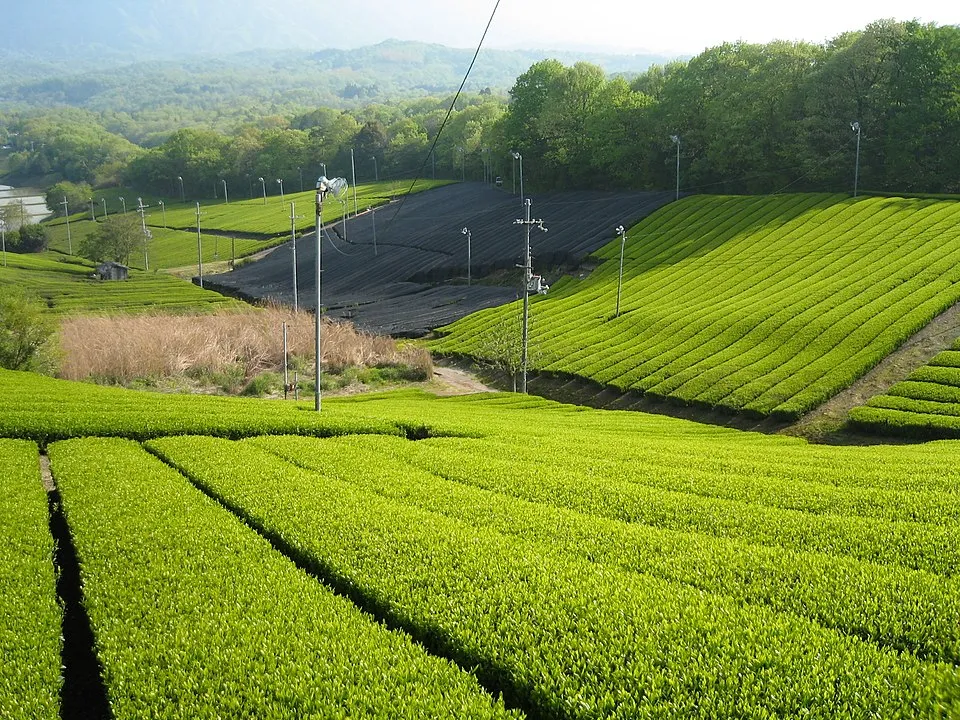
Must-Visit in Uji
Byodoin Temple (¥700 entry) is a UNESCO World Heritage Site from the year 1053 — its Phoenix Hall appears on the Japanese ¥10 coin. Don't skip it when visiting Uji.
Quick Guide:
📍 Location: Uji City, Kyoto Prefecture (JR Uji Station, 17 min from Kyoto)
⏱ Time Needed: Half day (3–4 hours)
💴 Budget: ¥700 (Byodoin) + tea tasting ¥500–¥1,500
🍵 Must Try: Fresh-ground matcha with mochi at Tsuen Chaho — Japan's oldest tea shop (est. 1160)
📸 Don't Miss: The Phoenix Hall reflection in the pond at Byodoin, and the Uji riverside in morning light
If You Only Have One Day...
Save These Before Your Trip ❤️
If you're short on time... Don't skip:
- ✓Fushimi Inari (before 8 AM)
- ✓Kiyomizu-dera
- ✓Ninenzaka & Sannenzaka
- ✓Nishiki Market
- ✓Gion at Dusk
- ✓Pontocho for Dinner
Continue Planning
Create Your Perfect Japan Itinerary
Customized daily plans, optimized routes, and curated local food recommendations tailored to your travel style.
Start Planning Now ➔About JPN Path
Editorial TeamThe JPN Path Editorial Team consists of local travel curators, cultural historians, and writers dedicated to sharing authentic, practical, and highly detailed guides for exploring Japan.
Continue Reading
Osaka Bucket List: 21 Experiences Worth Your Time
Known as the Nation's Kitchen, Osaka is a sprawling, neon-drenched metropolis pulsing with food culture, striking contrasts, and historic landmarks. Here are 21 essential, bucket-list experiences.
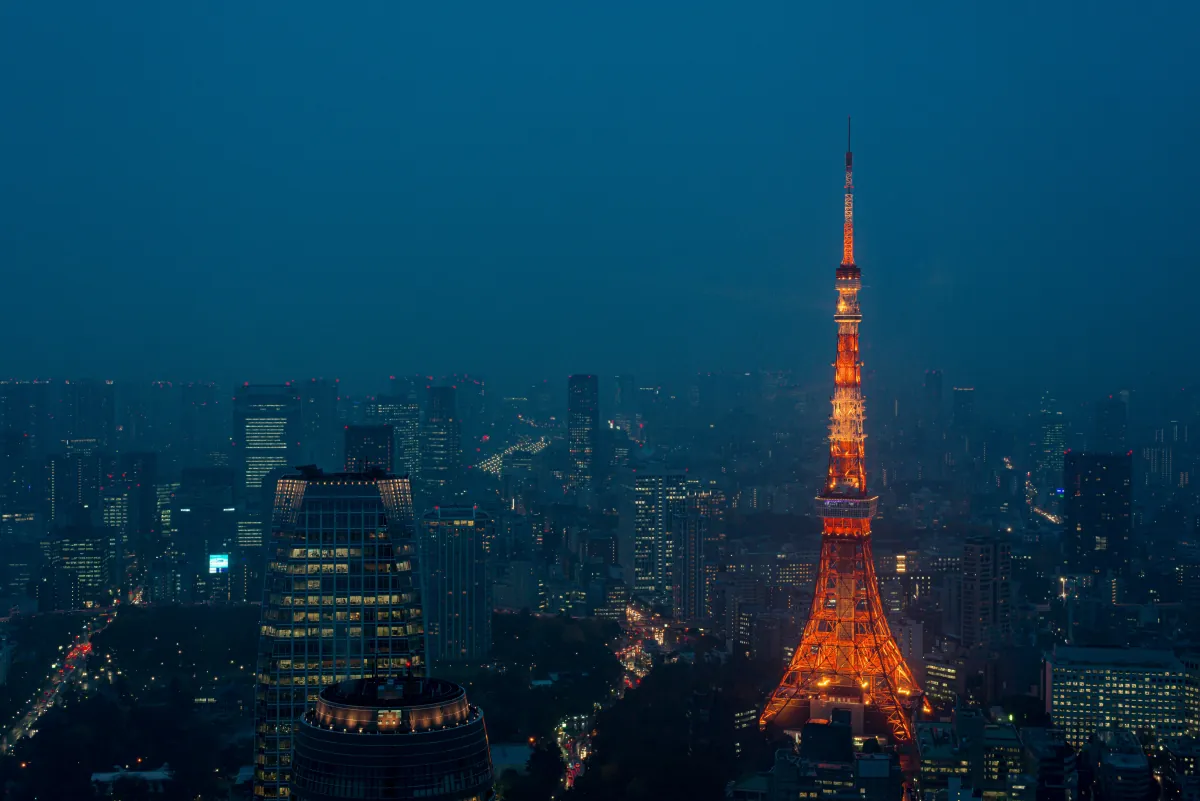
Tokyo Bucket List: 17 Incredible Things to Do in Tokyo
The experiences most travelers wish they knew before visiting. From hidden food alleys and ancient temples to futuristic digital art and secret skyline views, here is the ultimate Tokyo checklist.