
Explore Hiroshima's moving history, peaceful memorials, island shrines, local cuisine, and coastal beauty with this complete Hiroshima travel guide.
Planning a Hiroshima Trip?
Select your preferences to customize your itinerary path instantly.
Build My Hiroshima ItineraryWhy Visit Hiroshima?
Hiroshima is a city defined by its tragic past, but reborn as a beautiful, welcoming beacon of international peace and culture. Set along the tranquil Seto Inland Sea, it offers a relaxed atmosphere. This Hiroshima travel guide is a journey through history, resilience, peace education, island shrines, local cuisine, and coastal beauty.
There is a diverse list of things to do in Hiroshima. The Peace Memorial Park and Museum offer a moving experience, while nearby Miyajima Island presents one of Japan's most scenic views: the giant floating Torii Gate of Itsukushima Shrine. If you want to explore further, head to the Saijo district to taste local sake or the coastal village of Onomichi to cycle the Shimanami Kaido.
Hiroshima serves as the gateway to Western Japan. By using our guides, you can plan your trip to visit Hiroshima and connect to neighboring areas like Okayama and Fukuoka.
Top Attractions in Hiroshima
Atomic Bomb Dome
The skeletal ruins of the former Industrial Promotion Hall, preserved as a UNESCO World Heritage site and a powerful symbol of the atomic destruction.
Hiroshima Peace Memorial Museum
An essential and deeply moving historical experience detailing the events of August 6, 1945, through survivor artifacts and testimonials.
Peace Memorial Park
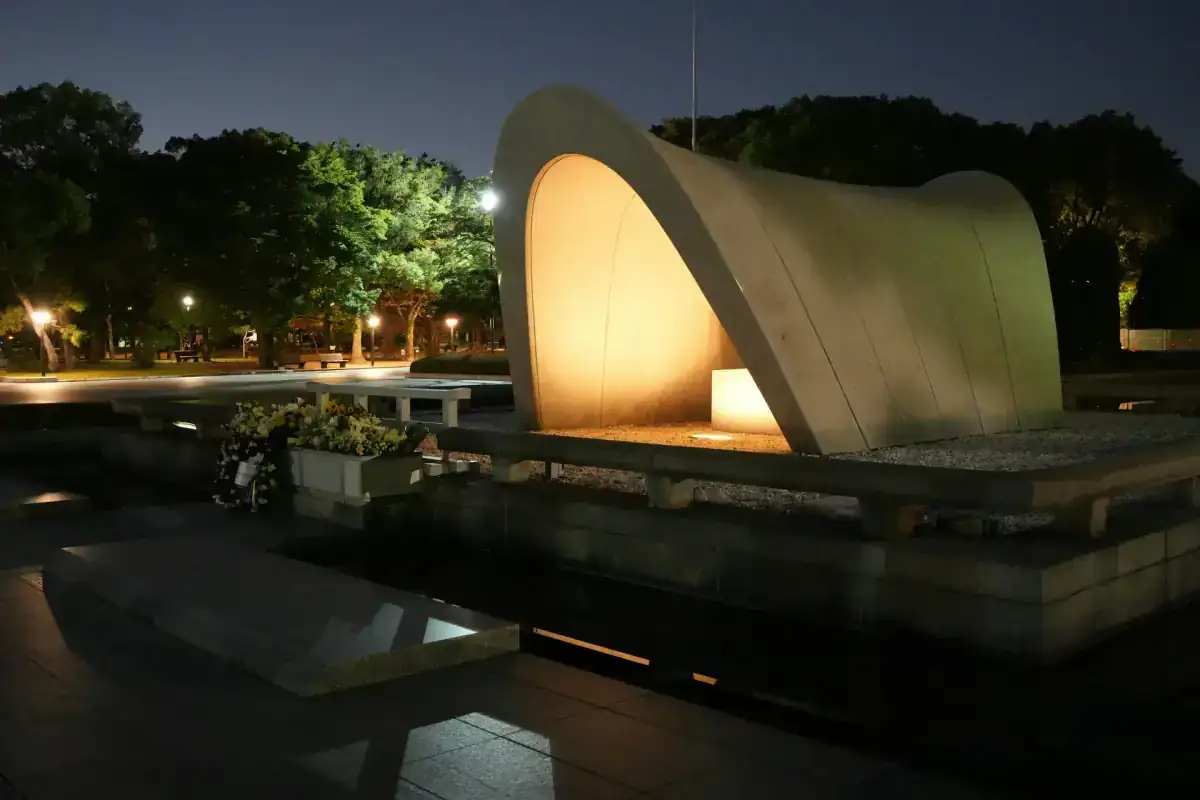
A sprawling, peaceful park dedicated to the legacy of the atomic bomb, containing the Cenotaph, Flame of Peace, and Children's Peace Monument.
Hiroshima Castle
A beautiful replica of the 1590s fortress (Carp Castle) surrounded by a peaceful moat and serving as a historical museum of samurai culture.
Shukkeien Garden
A historic Japanese landscape garden dating back to 1620, featuring miniature valleys, ponds, and bridges designed to represent natural scenery.
Mazda Museum
A popular modern attraction showcasing the heritage of the Hiroshima-founded automaker, featuring assembly line tours and concept cars.
Miyajima Island Guide
Floating Torii Gate
The iconic vermilion wooden gate of Itsukushima Shrine, standing directly in the Seto Inland Sea, appearing to float at high tide.
Itsukushima Shrine
A UNESCO World Heritage Shinto shrine complex built on pier-like structures over the water, dating back to the 6th century.
Mount Misen
The sacred mountain dominating Miyajima, offering ancient temples, wild deer, and panoramic observatory views over the Setouchi islands.
Momijidani Park
A valley at the foot of Mount Misen, filled with maple trees that turn fiery red in autumn, making it a scenic walking spot.
Miyajima Omotesando
A busy shopping street lined with local food stalls selling grilled oysters, maple cakes, and traditional wooden crafts.
Sunset Photography Spots
The best vantage points to capture the silhouette of the Torii Gate against the sunset, especially along the western shoreline path.
Hiroshima Food Guide
Complete Hiroshima Food GuideHiroshima Okonomiyaki
Okonomiyaki layered with cabbage, pork belly, yakisoba noodles, and a fried egg.
Oysters (Kaki)
Fresh oysters farmed in the Seto Inland Sea, served raw, charcoal-grilled, or deep fried (Kaki Fry).
Anago Meshi
A local specialty featuring sweet, grilled conger eel slices layered over seasoned dashi rice.
Spicy Tsukemen
Cold noodles served with a spicy dipping sauce containing sesame oil, red chili, and local scallions.
Lemon Products
Setouchi lemons used in local cakes, refreshing sodas, seasonings, and local craft beers.
Saijo Sake
Saijo's mineral-rich water produces dry, smooth sake varieties from historic local breweries.
Hiroshima Neighborhoods & Areas
The commercial city center, containing Hondori shopping street, department stores, and okonomiyaki plazas.
The historical core of Hiroshima, dedicated to peace education, museums, and quiet riverside walks.
The sacred island experience, featuring Itsukushima Shrine, hiking trails, temples, and coastal ryokans.
Japan's historic sake brewing district, lined with traditional red-brick chimneys and historic breweries.
A picturesque coastal hillside town famous for temple walks, retro cafes, and the start of the Shimanami Kaido cycling path.
A historic naval port city home to maritime history museums, iron whale displays, and street food stalls (yatai).
Hiroshima Itineraries
Hiroshima 1 Day Itinerary
A streamlined Hiroshima 1 day itinerary: visit the Peace Memorial Park, Museum, Atomic Bomb Dome, and join a local Hiroshima food tour in the evening.
2 Day Hiroshima Itinerary
Dedicate Day 1 of your Hiroshima itinerary to city history and an okonomiyaki dining walk. Day 2 goes to Itsukushima Shrine on Miyajima Island.
Miyajima Food Tour & Ryokan
A slow-travel Hiroshima itinerary including a gourmet Miyajima food tour tasting fresh oysters and maple cakes, topped with an overnight stay.
3 Day Hiroshima Itinerary
The ultimate 3 day Hiroshima itinerary: explore the city, spend a day on Miyajima, and take a coastal day trip to historic sake breweries or Onomichi.
Sanyo Coastline Trail
Connect your Hiroshima itinerary with Okayama's Korakuen Garden and Kurashiki canal districts using local express trains.
Western Gateway Route
A multi-day route connecting a Hiroshima itinerary with Fukuoka's famous yatai street food stalls.
Best Time to Visit Hiroshima
Spring (Sakura Season)
Late March – AprilCherry blossoms line the Motoyasu River flanking the Atomic Bomb Dome and decorate the parks on Miyajima, creating beautiful reflections over the water.
Hiroshima History & Peace Experience
Atomic Bomb Dome
The skeletal brick dome preserved exactly as it stood after the explosion, symbolizing human resilience.
Peace Museum
Displays survivor belongings, photographs, and historical timelines documenting the humanitarian impact of atomic weapons.
Children's Peace Monument
Dedicated to Sadako Sasaki and the thousands of children who died from radiation, surrounded by colorful origami paper cranes.
Peace Memorial Hall
A quiet space for contemplation containing names and memoirs of the victims of the atomic bombing.
Survivor Stories
Learn directly from Hibakusha (survivor) testimonials, detailing their messages of peace and nuclear abolition.
Learning Resources
Educational galleries and research libraries inside the museum dedicated to global peace studies.
Setouchi & Island Experiences
Miyajima
The ultimate shrine island, combining natural sacred mountains with floating vermilion shrine architecture.
Rabbit Island (Okunoshima)
A small island inhabited by hundreds of friendly wild rabbits, accessible via short ferry crossings.
Shimanami Kaido
A spectacular 70 km bridge-and-island cycling path crossing the Seto Inland Sea from Onomichi to Imabari.
Inland Sea Cruises
Scenic ferry cruises through the calm, island-studded waters of the Seto Inland Sea.
Coastal Villages
Explore preserved Edo-period port towns like Mitarai or the scenic harbor of Tomonoura.
Island Hopping
A dynamic travel path linking art installations, citrus farms, and historic temples across the islands.
Where to Stay in Hiroshima
City Center
Stay near Hatchobori or Hondori for immediate access to tram lines, restaurants, and shopping complexes.
Peace Park Area
Quieter, scenic hotel stays overlooking the rivers, within walking distance of the Peace Park.
Miyajima
Boutique ryokans on the island to enjoy the sunset, night illumination, and early morning deer walks.
Hiroshima Station Area
Cheaper business hotels, hostels, and direct connections to bullet trains and airport buses.
Waterfront Hotels
Resort style waterfront stays offering ferry connections directly to Miyajima and Setouchi.
Day Trips from Hiroshima
Miyajima
Visit Itsukushima Shrine and hike Mount Misen. Just a short tram and ferry ride from central Hiroshima.
Onomichi
Stroll the steep temple paths, visit cat alleys, and cycle the start of the Shimanami Kaido.
Okayama
Visit the black Crow Castle and Korakuen, one of Japan's three best landscape gardens.
Kurashiki Bikan
Walk along the beautifully preserved canal district lined with white-walled Edo-period storehouses.
Iwakuni Kintai Bridge
Cross the historic Kintai Bridge, a wooden arched bridge built in 1673. 50 minutes away.
Kure Harbor
Explore naval museums, walk maritime trails, and enjoy local harborfront street foods.
Hiroshima Travel Costs
| Traveler Type | Daily Budget | Stays & Dining Profile |
|---|---|---|
| Budget Traveler | $40 – $70 / Day | Hostels near station, okonomiyaki stalls, tram-only day passes. |
| Mid-Range Traveler | $100 – $180 / Day | Boutique hotels in City Center, oyster dinners, and Miyajima ferry tickets. |
| Luxury Traveler | $300+ / Day | Ryokans on Miyajima, fine Saijo sake pairing dinners, private Setouchi guides. |
Related Guides
Frequently Asked Questions
How many days should I spend in Hiroshima?
We highly recommend spending 2 to 3 days in Hiroshima. This gives you enough time to explore the city's peace memorials and historical sites on Day 1, and dedicate a full Day 2 to Itsukushima Shrine and Mt. Misen on Miyajima Island.
Is Hiroshima worth visiting?
Yes, Hiroshima is deeply worth visiting. It offers a unique combination of emotional historical education, natural coastal scenery on the Seto Inland Sea, and distinct culinary specialties like layered okonomiyaki.
Can Hiroshima be visited as a day trip from Osaka?
Yes, you can take a day trip from Osaka via the Shinkansen bullet train (around 80 minutes). However, you will have to rush to see both the Peace Park and Miyajima Island in one day, so staying overnight is highly recommended.
What is Hiroshima famous for?
Hiroshima is globally famous for the Peace Memorial Park (and the Atomic Bomb Dome), the floating Itsukushima Torii Gate on Miyajima, layered Hiroshima-style okonomiyaki, and premium Seto Inland Sea oysters.
Should I stay on Miyajima?
Staying on Miyajima is highly recommended if you want a quiet, traditional experience. Once the daytime tourist crowds leave on the evening ferries, you can stroll around the illuminated floating Torii Gate in peace.
When is the best time to visit Hiroshima?
The best times are October/November (for autumn leaves in Miyajima's Momijidani Park) and April (for cherry blossoms along the Peace Park riverbanks).
Create Your Perfect Japan Itinerary
Customized daily plans, optimized routes, and curated local food recommendations tailored to your travel style.